The Serpentrogue Competitive Edge Everything You Need to Know
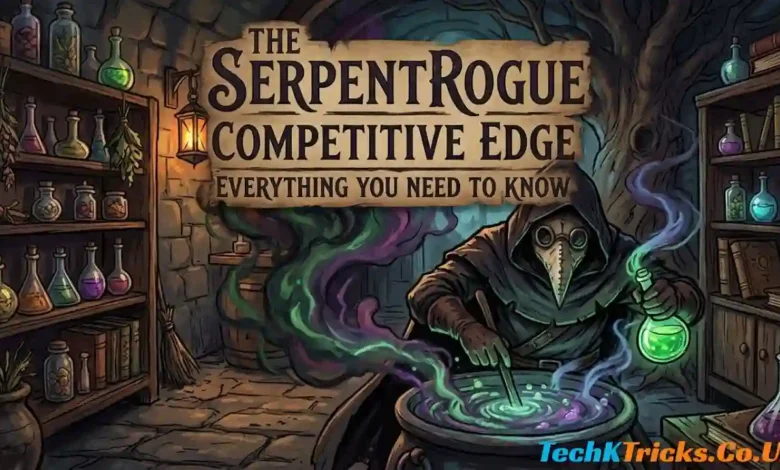
The Serpent Rogue is one of those games that looks approachable from the outside but quietly humbles anyone who underestimates it. It is a potion-crafting, roguelite action RPG developed by Team17, and it does not reward players who rush in swinging. What it does reward is patience, curiosity, and smart preparation. That is exactly what the serpentrogue competitive edge is all about — learning how the game’s systems work and using that knowledge to stay ahead of everything the world throws at you.
This guide covers everything a player needs to understand, build, and maintain that edge from the first run to the hundredth.
What Does “Competitive Edge” Actually Mean in This Game?
Before jumping into tips and strategies, it helps to understand what theserpentrogue competitive edge actually refers to in this context.
This is not a PvP game. There are no leaderboards or ranked modes. So when someone talks about having an edge here, they mean the gap between players who constantly struggle and players who consistently thrive. That gap is almost always explained by three things: understanding alchemy deeply, managing corruption before it spirals, and making decisions that build on each other over time.
Players who develop competitive edge theserpentrogue veterans talk about are not the ones with the fastest reflexes. They are the ones who show up prepared, think ahead, and treat every run as a learning opportunity rather than a failed attempt.
The Core Philosophy: Preparation Over Power
The Serpent Rogue does not hand players a power fantasy. It hands them a broken, corrupted world and asks them to figure out how to fix it — one ingredient, one potion, and one careful decision at a time.
Why Brute Force Fails
Many new players try to fight their way through every encounter. It feels natural. The problem is that combat consumes resources. Every potion used in a fight is one less tool available during exploration. Every unnecessary engagement chips away at the supplies needed to keep corruption under control.
The game is designed to punish aggression and reward restraint. Players who learn this early start building a real advantage almost immediately.
Thinking Like an Alchemist
The shift that defines skilled play is a mental one. Once a player stops thinking like a fighter and starts thinking like an alchemist — experimenting, observing, planning — the game opens up in a completely different way. This mindset is the foundation of everything discussed in this guide.
Alchemy: The Most Powerful System in the Game
If someone wants to get competitive edge theserpentrogue has to offer, alchemy is where they need to start. It is not a side mechanic or a helpful bonus. It is the backbone of the entire experience.
How the Brewing System Works
Potion-crafting in The Serpent Rogue involves combining two to three ingredients after first researching their essences. The brewing system includes base ingredients, potency ingredients, trait ingredients, and special transformation ingredients. This means that making good potions is not about throwing things together and hoping for the best — it is about understanding what each ingredient contributes.
The Importance of Experimentation
Every ingredient in the game carries hidden properties. These are not handed to the player upfront. They are discovered through testing, observation, and repetition. Players who invest time in deliberate experimentation end up with a personal knowledge base that gives them a consistent advantage in every run.
A few habits that make a real difference early:
- Research ingredients as soon as they are gathered, not after they are needed
- Keep notes outside the game if necessary — memory alone is not reliable across long sessions
- Focus on identifying which materials are common and which should be saved for critical situations
- Avoid treating the inventory as a simple potion list — food items, buffs, and stacking effects all matter
Building a Recipe Foundation
Once a player finds a combination that works well, the goal becomes replicating it reliably. That knowledge is the real edge. Players who skip the experimentation phase do not have it, and they will feel that absence every time things get difficult.
Corruption Management: Respecting the Clock
If alchemy is the engine of the game, corruption management is the fuel gauge. Ignoring it leads to failure faster than almost anything else.
What Corruption Does
Areas in The Serpent Rogue gradually become overrun if corruption is not addressed. This creates a ticking clock that runs in the background of every session. It forces players to constantly balance two competing needs: gathering resources and getting back before things spiral.
How to Stay Ahead of It
The players who manage corruption well share a few common habits:
- They leave areas before corruption reaches a critical point, even if there are still resources to gather
- They plan runs with an exit strategy in mind, not just an entry goal
- They treat corruption as the primary timer for every session rather than treating it as a secondary concern
Getting comfortable with crafting early and keeping corruption controlled is one of the single most effective things a new player can do. Most of the frustration that burns people out in the first few hours comes from underestimating how quickly things can go wrong when corruption is ignored.
Resource Planning: Running with a Purpose
Random exploration feels satisfying in the moment, but it is one of the most common reasons players stall out. Showing up to a new biome without the right materials means flying blind, and flying blind costs time, resources, and sometimes entire runs.
Plan Before You Leave
Before heading out, skilled players know what they are looking for. They have a goal — a specific ingredient, a resource type, a corruption target — and they structure their run around that goal. Restocking after every major outing keeps the supply chain healthy and prevents those desperate moments where nothing useful is left in the inventory.
Use the Whole Inventory
The inventory in The Serpent Rogue is a system, not a storage box. Food items provide buffs that stack with potions. Certain items interact with the environment in ways that are easy to overlook. Players who think about their whole loadout before heading out consistently outperform those who only focus on their potion selection.
Combat: Picking Your Battles
This is one of the areas where theserpentrogue competitive edge becomes most visible in practice. Skilled players do not fight everything. They fight when it makes sense and retreat when it does not.
Combat Avoidance Is a Valid Strategy
The game is built around consequence and resource management. Every fight that does not need to happen is a fight that could have saved supplies for something important. Avoiding unnecessary combat is not passive play — it is efficient play.
When Fighting Is Worth It
There are times when combat is necessary or worthwhile. Protecting followers, securing a key resource, or clearing a path to an important area can all justify the cost. The key is making that call deliberately rather than defaulting to aggression out of habit.
Followers and Creatures: Using Your Support System
Tamed creatures and followers are often underutilized by newer players. They serve real, practical roles that free up player capacity for strategic thinking.
Followers help with hauling, area cleansing, and combat support. Creatures can be positioned in ways that ease exploration and reduce risk. Treating this support system as a genuine tool rather than a novelty is part of what separates good players from great ones.
How All the Systems Connect
This is where things get interesting. The real advantage in The Serpent Rogue does not come from mastering one mechanic. It comes from seeing how every mechanic feeds into the others.
Corruption affects timing. Timing shapes exploration decisions. Exploration determines what resources are available. Resources power alchemy. Alchemy changes what is possible in combat and survival. Followers and creatures support all of it.
Once a player starts seeing these connections, the game transforms. Instead of reacting to problems one at a time, they start shaping runs proactively. Momentum builds. Things get easier, cleaner, and more satisfying. That is the deeper version of competitive edge theserpentrogue players spend dozens of hours chasing — not a single trick, but a compounding loop where every smart decision makes the next one easier.
Common Mistakes That Undermine Your Edge
Understanding what not to do is just as valuable as knowing what to do. These are the mistakes that consistently hold players back:
- Skipping ingredient research — hoarding random materials without understanding them wastes time and opportunity
- Ignoring corruption — treating it as a background concern rather than the central timer of every run
- Exploring without a plan — entering new zones without relevant crafting materials means reacting instead of preparing
- Fighting everything — overengaging burns through supplies and creates compounding risk with no equivalent reward
- Treating alchemy as a backup — players who wait until things get hard before investing in alchemy put themselves at a permanent disadvantage
Building Long-Term Mastery
The Serpent Rogue is a game that rewards players who treat it like a craft. Short-term gains from lucky runs fade quickly. Long-term mastery comes from building repeatable systems — consistent habits for resource management, regular experimentation with alchemy, disciplined corruption monitoring, and deliberate decision-making at every step.
A strong competitive edge is not achieved through speed or aggression. It is built through steady improvement, honest reflection on what went wrong, and a willingness to learn from every run — even the ones that end badly.
Final Thoughts
Anyone looking to truly get competitive edge theserpentrogue offers should walk away from this guide with one core takeaway: knowledge is the most powerful resource in this game. Not combat power. Not luck. Not grinding for hours without a plan.
The players who thrive are the ones who observe carefully, experiment deliberately, manage their time honestly, and connect the dots between every system the game offers. That is what the serpentrogue competitive edge comes down to — and once it clicks, the entire experience changes.
Also Read: What Is Latest Category MeltingTopGames and Why Every Gamer Needs It in 2026