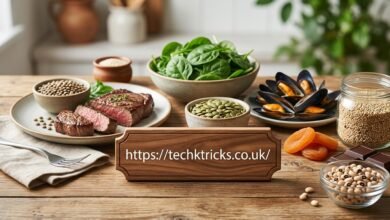
What Foods Boost Testosterone? 12 Foods That Support Healthy Testosterone Levels

Testosterone is an important hormone involved in muscle development, bone health, red blood cell production, sex drive, and reproductive function. While no single food can dramatically raise testosterone overnight, a balanced diet can provide nutrients involved in normal hormone production. Research suggests that overall dietary quality, adequate calories, healthy fats, zinc, magnesium, vitamin D, and other micronutrients may matter more than any so-called “testosterone-boosting” food.
If you are searching for what foods boost testosterone, the best approach is to focus on nutrient-dense foods rather than expensive supplements or extreme diets. Foods such as eggs, fatty fish, oysters, lean meat, nuts, seeds, legumes, leafy greens, and certain fruits can fit into a diet designed to support general health and normal hormone function.
1. Eggs
Eggs are one of the easiest foods to include in a hormone-supportive diet. They provide high-quality protein along with fats and several micronutrients. Protein is particularly important for maintaining muscle mass, while adequate dietary fat is necessary for overall endocrine health.
Egg yolks also contain vitamin D, although the amount is relatively modest. Eggs should therefore be viewed as one part of a balanced diet rather than a guaranteed testosterone booster. Eating eggs alongside vegetables, whole grains, or fruit can create a more nutritionally complete meal.
2. Fatty Fish
Fatty fish such as salmon, sardines, trout, and mackerel are rich in omega-3 fatty acids and provide protein and vitamin D. These nutrients support cardiovascular and metabolic health, which are closely connected with overall hormonal health.
Vitamin D has attracted particular attention in testosterone research. Some observational studies have found an association between vitamin D status and testosterone, but randomized trials have produced inconsistent results. A recent systematic review and meta-analysis found no clear, reproducible testosterone benefit from vitamin D supplementation in adult men.
That means fatty fish are valuable primarily because they are nutritious foods, not because they are proven to dramatically increase testosterone.
3. Oysters and Other Shellfish
Oysters are particularly well known for their high zinc content. Zinc is an essential mineral involved in numerous biological processes, including normal reproductive function and hormone metabolism.
Severe nutrient deficiencies can interfere with normal physiological processes, so getting enough zinc through food is important. However, eating large amounts of oysters does not necessarily mean testosterone will rise above normal levels. The goal is adequate nutrition rather than excessive mineral intake.
Other shellfish, including crab and shrimp, can also provide useful amounts of protein and minerals.
4. Lean Beef
Lean beef provides protein, zinc, iron, selenium, and vitamin B12. These nutrients support energy metabolism, blood formation, muscle function, and general health.
Zinc is particularly relevant because it participates in normal reproductive physiology. Research on micronutrient supplementation and testosterone, however, remains limited, meaning it would be inaccurate to claim that eating beef automatically increases testosterone.
Choose lean cuts and keep portion sizes reasonable. A diet dominated by processed or high-fat meats is not the same as a balanced diet containing moderate amounts of lean meat.
5. Pumpkin Seeds
Pumpkin seeds are an easy plant-based source of magnesium, zinc, healthy fats, and protein. Magnesium is involved in hundreds of biochemical reactions throughout the body and contributes to normal muscle and nerve function.
Some research has explored relationships between magnesium status and testosterone, but the evidence does not establish pumpkin seeds as a direct testosterone-boosting treatment. They are better considered a nutrient-dense addition to an overall healthy eating pattern.
A small serving can be added to oatmeal, yogurt, salads, or smoothies.
6. Spinach and Other Leafy Greens
Spinach, kale, Swiss chard, and other dark leafy vegetables provide magnesium, folate, potassium, antioxidants, and other micronutrients.
Vegetables are important because testosterone health does not depend on one isolated nutrient. A diet containing plenty of vegetables can help support healthy body weight and metabolic health, both of which are relevant to hormone balance.
Research on dietary patterns has found associations between poorer dietary patterns, greater body fat, and lower testosterone, although these studies cannot prove that individual vegetables directly raise testosterone.
7. Avocados
Avocados provide monounsaturated fats, fiber, potassium, and several vitamins and minerals. Healthy fats can be part of a balanced dietary pattern that supports normal physiological function.
Rather than eliminating dietary fat in an attempt to improve body composition, it is generally more sensible to include moderate amounts of nutrient-rich fat sources such as avocado, nuts, seeds, olive oil, and fish.
Avocado alone will not significantly increase testosterone, but it can contribute to an overall diet that supports good health.
8. Nuts
Almonds, walnuts, Brazil nuts, and other nuts provide healthy fats, protein, magnesium, selenium, and other nutrients.
Nuts can be particularly useful when replacing highly processed snacks. For example, choosing a handful of unsalted nuts instead of sugary snacks can improve the overall nutrient quality of the diet.
Portion control still matters because nuts are calorie-dense. A moderate serving is generally enough to obtain their nutritional benefits without adding excessive calories.
9. Pomegranate
Pomegranate contains polyphenols and antioxidants, making it a nutritious fruit choice. Some small studies have investigated pomegranate juice in relation to testosterone and cardiovascular markers, but the evidence is not strong enough to classify pomegranate as a proven testosterone booster.
Whole pomegranate also provides fiber, making it a better everyday choice than relying on sugary fruit drinks.
Adding different fruits to the diet is more useful than focusing heavily on one “superfood.”
10. Legumes
Beans, lentils, and chickpeas provide plant-based protein, fiber, magnesium, folate, iron, and other nutrients.
Legumes can help create a balanced eating pattern, particularly for people who eat little or no meat. They can be combined with whole grains and vegetables to create filling meals with a broad range of nutrients.
There is no strong evidence that beans directly increase testosterone. Their value comes from supporting overall nutritional adequacy and metabolic health.
11. Extra-Virgin Olive Oil
Extra-virgin olive oil is rich in monounsaturated fat and plant compounds. It is a staple of Mediterranean-style eating patterns, which emphasize vegetables, fruits, legumes, whole grains, fish, nuts, and healthy fats.
A healthy dietary pattern is generally more meaningful for hormone health than adding one ingredient to an otherwise poor diet. This is especially important because body composition, metabolic health, physical activity, sleep, and nutritional status can all influence testosterone-related outcomes.
Use olive oil in moderation for cooking, salad dressings, or meals.
12. Whole Grains and Magnesium-Rich Foods
Oats, brown rice, quinoa, whole-grain bread, and other minimally processed grains can provide magnesium, fiber, carbohydrates, and other nutrients.
Adequate carbohydrate intake can also be useful for people who exercise regularly because carbohydrates help provide energy for training. Extremely restrictive diets may make it harder for some people to maintain adequate energy and nutrient intake.
A balanced diet containing whole grains, vegetables, protein sources, and healthy fats is generally a more sustainable strategy than following an extreme testosterone-focused diet.
Can Food Really Increase Testosterone?
This is where it is important to separate marketing claims from scientific evidence. Food can provide nutrients needed for normal body function, but there is limited evidence that individual foods dramatically increase testosterone in healthy men with adequate nutrition.
For example, vitamin D has been investigated extensively. Earlier research found associations between vitamin D levels and testosterone, but randomized trials have not consistently shown that vitamin D supplementation increases testosterone. A 2026 systematic review and meta-analysis found no statistically clear or reproducible effect on total testosterone or several androgen-related markers.
The same principle applies to zinc, magnesium, and other nutrients. Correcting a deficiency may be important, but taking extra nutrients when you already have adequate levels is not guaranteed to produce a hormonal increase.
Foods and Habits That May Work Against Healthy Testosterone
Knowing what foods boost testosterone is only half of the picture. Overall eating habits matter as well.
A diet heavily based on ultra-processed foods, added sugars, excessive calories, and highly refined carbohydrates can contribute to unwanted weight gain and poor metabolic health. Research has linked certain less-healthy dietary patterns with higher body fat and increased odds of low testosterone, although such observational research cannot establish direct cause and effect.
Alcohol excess, inadequate sleep, chronic stress, physical inactivity, and significant weight gain may also be more important than adding a particular food to your diet.
A Simple Testosterone-Supportive Meal Plan
A practical day could look like this:
Breakfast: Eggs with spinach, whole-grain toast, and fruit.
Lunch: Grilled salmon or lean chicken with brown rice, vegetables, and avocado.
Snack: Greek yogurt with pumpkin seeds and berries.
Dinner: Lean beef, beans, or lentils with leafy greens, whole grains, and olive oil.
Optional snack: A small serving of mixed nuts and fruit.
This type of diet provides protein, healthy fats, fiber, minerals, and a broad variety of micronutrients without relying on a single “magic” food.
Other Factors That Matter for Testosterone
Nutrition is only one part of testosterone health. Regular resistance training can support muscle and metabolic health, while maintaining a healthy body weight may also be beneficial.
Sleep is another important consideration. Consistently poor sleep can negatively affect overall health and may influence hormone regulation. Managing stress and avoiding excessive alcohol can also contribute to better general health.
If someone has symptoms such as persistent low libido, erectile difficulties, unexplained fatigue, loss of muscle mass, or other concerns about low testosterone, food alone may not address the underlying cause. A healthcare professional can determine whether testing or further evaluation is appropriate.
Final Thoughts
So, what foods boost testosterone? The most useful answer is that no single food has been proven to provide a dramatic testosterone increase. Instead, foods such as eggs, fatty fish, oysters, lean beef, pumpkin seeds, leafy greens, avocados, nuts, legumes, pomegranate, olive oil, and whole grains can contribute valuable nutrients to a balanced diet.
The strongest strategy is to build a nutrient-rich eating pattern, maintain a healthy weight, exercise regularly, sleep adequately, and address genuine nutrient deficiencies when they exist. Current research does not support treating ordinary foods as guaranteed testosterone boosters.