Foods With Iron for Anemia: Best Iron-Rich Foods for Better Iron Intake
Iron is an essential mineral that the body needs to make hemoglobin, the protein in red blood cells responsible for carrying oxygen throughout the body. When the body does not have enough iron, it may develop iron-deficiency anemia, which can cause tiredness, weakness, dizziness, headaches, and reduced energy. Eating foods with iron for anemia can support healthy iron intake, although diet alone may not correct every case of anemia.
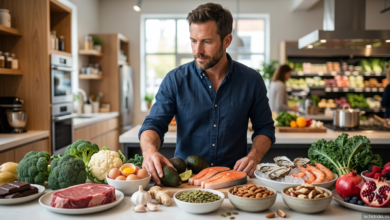
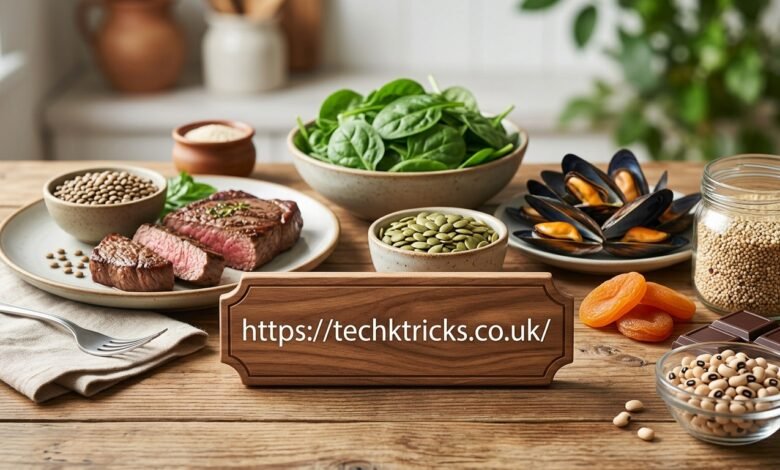
The best approach is to include a variety of iron-rich foods in regular meals. These can include lean meat, seafood, poultry, beans, lentils, tofu, leafy green vegetables, fortified cereals, eggs, nuts, seeds, and dried fruits. Pairing plant-based iron sources with foods rich in vitamin C can also help the body absorb more of the iron.
What Is Iron-Deficiency Anemia?
Iron-deficiency anemia occurs when the body does not have enough iron to produce adequate hemoglobin. Because hemoglobin carries oxygen from the lungs to tissues throughout the body, insufficient iron can affect energy levels and physical performance. Iron deficiency can develop because of inadequate dietary intake, blood loss, increased iron needs, or problems absorbing iron.
Not every type of anemia is caused by low iron. Anemia can also result from vitamin B12 or folate deficiency, chronic disease, inherited blood disorders, infections, and other medical conditions. Therefore, people who have persistent anemia symptoms should not assume that eating more iron is the only solution. A healthcare professional can use blood tests and other evaluations to determine the underlying cause.
Best Foods With Iron for Anemia
There are many foods that can contribute to daily iron intake. Some provide heme iron, which is found in animal foods and is generally absorbed more efficiently. Plant foods and fortified foods provide nonheme iron, which can still be an important part of an iron-rich diet.
1. Lean Red Meat
Lean beef and other red meats are useful sources of iron. Meat contains heme iron, and it also contains other nutrients that can contribute to a balanced diet. A 3-ounce serving of braised beef contains about 2 mg of iron according to the NIH’s food data.
Including a reasonable portion of lean meat with vegetables, beans, or whole grains can make an iron-focused meal more varied. However, eating meat is not essential for obtaining iron because legumes, tofu, fortified grains, nuts, seeds, and vegetables can also contribute iron.
2. Liver and Other Organ Meats
Beef liver is particularly rich in iron. The NIH lists approximately 5 mg of iron in a 3-ounce serving of pan-fried beef liver.
Because liver is very nutrient-dense, it does not need to be eaten frequently to contribute to an iron-rich diet. Pregnant people should discuss liver intake with a healthcare professional because liver is also very high in vitamin A.
3. Lentils
Lentils are one of the most practical plant-based foods with iron for anemia. Half a cup of boiled lentils provides about 3 mg of iron according to NIH data.
Lentils can be added to soups, curries, salads, rice dishes, and vegetable meals. For better absorption of their nonheme iron, combine lentils with vitamin-C-rich foods such as tomatoes, bell peppers, broccoli, oranges, or other fruits and vegetables.
4. Beans
Beans provide iron along with protein and other nutrients. White beans are particularly notable: one cup of canned white beans contains about 8 mg of iron in the NIH’s cited food data. Kidney beans also provide iron.
Other beans can easily be incorporated into everyday meals. Adding beans to salads, soups, stews, rice dishes, or wraps is an easy way to increase the nutritional variety of a diet.
5. Chickpeas
Chickpeas are another useful plant-based source of iron. Half a cup of boiled chickpeas contains about 2 mg of iron according to NIH data.
Chickpeas can be used in hummus, curries, salads, roasted snacks, and grain bowls. Combining chickpeas with tomatoes, lemon, or other vitamin-C-containing foods may help improve absorption of their nonheme iron.
6. Spinach and Dark Green Vegetables
Dark green vegetables such as spinach and kale are commonly included in iron-rich diets. Half a cup of boiled spinach provides approximately 3 mg of iron in the NIH food table.
However, the amount of iron in a food is not the same as the amount the body absorbs. Spinach contains compounds that can reduce iron bioavailability, so it is useful to eat it as part of a varied diet rather than relying on spinach alone for iron.
7. Tofu and Soy Foods
Tofu can be a useful option for people following vegetarian or plant-based diets. A half-cup serving of firm tofu provides about 3 mg of iron according to NIH data.
Tofu works well in stir-fries, curries, soups, salads, and rice dishes. Pairing it with vegetables such as bell peppers or broccoli can provide vitamin C alongside the meal.
8. Seafood and Fish
Seafood can provide heme iron as well as other important nutrients. Oysters are especially rich in iron, with about 8 mg in a 3-ounce cooked serving in the NIH food table. Sardines and other fish also contribute smaller amounts.
Salmon is another food commonly included in healthy diets and is listed by the NIH among foods that can contribute iron. Fish can be combined with vegetables, beans, or fortified grains for a balanced meal.
9. Iron-Fortified Cereals and Bread
Fortified cereals and breads can be convenient sources of iron. Some breakfast cereals contain substantial amounts of added iron; the NIH lists a serving of cereal fortified with 100% of the Daily Value as containing about 18 mg of iron.
Check the nutrition label because iron levels vary considerably between products. Fortified foods can be particularly useful for people who eat little or no meat.
10. Nuts and Seeds
Nuts can contribute iron while also providing protein, healthy fats, and other nutrients. Cashews, for example, provide approximately 2 mg of iron per ounce in the NIH food table. Pistachios provide smaller amounts.
Seeds can also be incorporated into oatmeal, salads, yogurt alternatives, smoothies, or homemade snacks. They should be considered part of an overall varied diet rather than a single treatment for anemia.
11. Dried Fruits
Raisins, dried apricots, and prunes contain iron and can be convenient snacks. The NIH lists about 1 mg of iron in a quarter cup of raisins.
Because dried fruit is concentrated in natural sugars and calories, moderate portions are generally more practical. Combining dried fruit with nuts or seeds can make a more filling snack.
12. Eggs
Eggs provide some iron and can be included in a balanced diet. A large hard-boiled egg contains about 1 mg of iron according to NIH data.
Eggs can be combined with vegetables, beans, or fortified bread to create meals containing several sources of nutrients. They are particularly convenient for breakfast or quick meals.
How Vitamin C Helps With Iron Absorption
Choosing foods with iron for anemia is only part of the equation. The body absorbs nonheme iron from plant foods differently from heme iron. Vitamin C can improve the absorption of nonheme iron, making vitamin-C-rich foods useful companions to plant-based iron sources.
Good vitamin C sources include oranges, strawberries, tomatoes, sweet peppers, kiwi, and broccoli. For example, lentils can be served with tomatoes and peppers, beans can be added to a salad containing citrus, or tofu can be paired with broccoli and bell peppers.
Foods and Drinks That Can Reduce Iron Absorption
Some foods and drinks can make iron absorption more difficult, particularly when consumed around an iron-rich meal. Tea and coffee contain compounds that can interfere with iron absorption. Calcium and some calcium-rich foods can also affect iron absorption.
This does not mean that tea, coffee, dairy products, or whole grains must be completely eliminated. Instead, people concerned about iron deficiency can discuss meal timing and dietary choices with a healthcare professional or dietitian. Whole grains remain nutritious foods and can contribute some iron themselves.
Sample Iron-Rich Meal Ideas
An iron-focused eating pattern can be simple and flexible. For breakfast, an iron-fortified cereal with fruit can provide iron along with vitamin C. Another option is eggs with fortified bread and tomatoes.
For lunch, try lentil soup with a tomato and bell-pepper salad. Dinner could include lean beef or fish with beans and broccoli. For a vegetarian meal, tofu, chickpeas, lentils, beans, and dark green vegetables can be combined with vitamin-C-rich produce.
The goal is not to eat one particular “anemia food.” Instead, regularly combining different iron sources with a wide variety of vegetables, fruits, grains, and protein foods can help create a balanced diet.
How Much Iron Do You Need?
Iron requirements vary according to age, sex, pregnancy, breastfeeding status, and dietary pattern. According to the NIH, adult men aged 19–50 generally need 8 mg per day, while adult women aged 19–50 generally need 18 mg per day. Pregnancy increases the recommended amount to 27 mg per day.
People who follow vegetarian diets may need to pay particular attention to iron because nonheme iron is not absorbed as efficiently as heme iron. The NIH notes that vegetarians may need almost twice the listed amount because of differences in absorption.
Can Food Alone Treat Anemia?
A nutritious diet can help prevent inadequate iron intake and support overall nutrition, but food alone is not always enough to treat diagnosed iron-deficiency anemia. The cause of the anemia matters. Blood loss, heavy menstrual periods, pregnancy, digestive disorders, problems with absorption, and other conditions can contribute to iron deficiency.
A healthcare professional may recommend iron supplements when appropriate. People should avoid taking high-dose iron supplements without medical advice because excessive iron can be harmful. Treatment should address both the low iron level and the reason it developed.
When to Seek Medical Advice
Persistent fatigue, weakness, dizziness, shortness of breath, headaches, pale skin, or other symptoms can occur with anemia, but these symptoms can also have many other causes. A blood test can help determine whether anemia is present and whether iron deficiency is involved.
Medical advice is particularly important for people with unexplained anemia, significant blood loss, very heavy menstrual bleeding, pregnancy, digestive symptoms, or symptoms that are severe or worsening. Treating the underlying cause is an important part of managing anemia.
Conclusion
Eating foods with iron for anemia can be an important part of a balanced approach to improving iron intake. Lean red meat, seafood, beans, lentils, tofu, spinach, fortified cereals, eggs, nuts, seeds, and dried fruits all provide useful amounts of iron. Plant-based sources can be paired with vitamin-C-rich foods to support iron absorption.
However, anemia is not always caused by a lack of dietary iron. If anemia has been diagnosed or symptoms persist, professional medical evaluation is important. A varied diet can support good nutrition, while appropriate testing and treatment can identify and address the specific cause of anemia.