Philodendron: Complete Guide to Types, Care, Watering, and Growing Tips
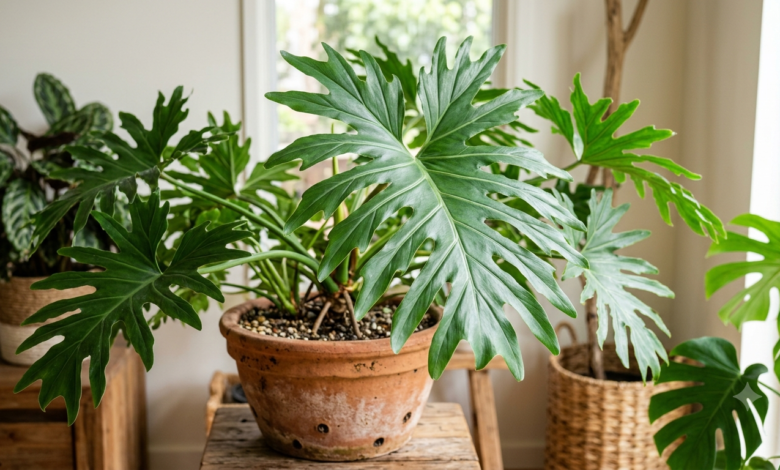
Philodendron is one of the most popular tropical houseplants because of its attractive foliage, adaptability, and relatively easy care requirements. Belonging to the genus Philodendron in the Araceae family, these plants are native mainly to tropical regions of the Americas. They are admired for their beautiful green leaves, climbing growth habits, and ability to bring a natural appearance to indoor spaces. Whether you are a beginner who wants a low-maintenance houseplant or an experienced gardener looking to expand a plant collection, philodendrons offer many varieties to choose from.
The word philodendron refers to a large group of plants with different leaf shapes, sizes, colors, and growth patterns. Some varieties grow as vines that climb supports, while others develop upright stems and broad leaves. Popular choices include Heartleaf Philodendron, Philodendron Brasil, Philodendron Birkin, and Philodendron Micans. Although their needs vary slightly, most philodendrons thrive in bright, indirect light, well-draining soil, and moderate watering. Understanding their growing conditions, common problems, and maintenance needs can help you keep these tropical plants healthy throughout the year.
What Is a Philodendron?
A philodendron is a tropical plant known for its decorative leaves and diverse growth habits. Its botanical name comes from Greek words associated with love and trees, reflecting the climbing behavior of many species. In their natural habitats, some philodendrons climb tree trunks to reach better light, while others grow closer to the forest floor. Their foliage may be heart-shaped, oval, deeply divided, elongated, or patterned with attractive shades of green and cream.
Philodendrons are commonly grown indoors because many varieties tolerate typical household conditions when their basic needs are met. They are suitable for living rooms, bedrooms, offices, and other spaces with appropriate lighting. Climbing varieties can be trained on moss poles or other supports, while trailing types look attractive in hanging baskets and on shelves. Upright varieties can serve as striking decorative plants in larger containers.
Although philodendrons are often confused with pothos, they belong to different genera. Their leaves and growth structures can sometimes look similar, but they have distinct botanical characteristics. Identifying the particular variety you own is helpful because mature size, support requirements, and watering preferences can differ from one type to another.
Popular Types of Philodendron
There are hundreds of recognized philodendron species, along with many cultivated varieties and hybrids. Each type has unique characteristics, making it easier for plant lovers to find one that matches their space and preferences.

This is one of the easiest philodendrons to grow indoors. It has small, heart-shaped green leaves and long trailing stems. It grows well in hanging baskets or on shelves and tolerates moderate indoor light.

This popular cultivar features heart-shaped leaves with green and yellow-green patterns. Its colorful foliage adds visual interest, and its trailing growth makes it suitable for decorative indoor containers.

Birkin is known for its dark green leaves decorated with thin cream or white stripes. It generally grows upright rather than producing long trailing vines, making it a good option for desks and tabletops.

This variety has velvety, heart-shaped leaves that can appear green, bronze, or reddish depending on the light. Its cascading stems look particularly attractive in hanging pots.

Gloriosum is valued for its large, velvety, heart-shaped leaves and prominent pale veins. Unlike many climbing varieties, it grows along the soil surface using a creeping stem called a rhizome.
When selecting a philodendron, consider the amount of light available, the space you have, and whether you prefer a climbing, trailing, or upright plant. Variegated varieties may need brighter indirect light to maintain their patterns.
Ideal Growing Conditions
Philodendrons generally grow best in warm, humid environments that resemble their tropical habitats. However, most commonly cultivated indoor varieties can adapt to ordinary household conditions if they receive sufficient light and are protected from temperature extremes.
Light: Bright, indirect light is usually ideal. Place the plant near a window with filtered sunlight or behind a light curtain. Some green varieties tolerate lower light, but growth may become slower and stems may stretch toward the light. Strong direct afternoon sunlight can scorch the leaves, especially in plants that have been kept indoors for a long time.
Temperature: Most common houseplant philodendrons prefer temperatures around 65–85°F (18–29°C). Keep them away from cold drafts, air-conditioning vents, and sudden temperature changes. Many tropical varieties can suffer when exposed to prolonged cold.
Humidity: Moderate to high humidity is beneficial, particularly for varieties with delicate or velvety leaves. Normal household humidity may be sufficient for adaptable types. If the air is very dry, a humidifier can help, especially during winter or in air-conditioned rooms.
Good air circulation is also important. Avoid overcrowding plants or keeping foliage constantly wet, as these conditions can encourage fungal and bacterial problems.
How to Water a Philodendron
Watering correctly is one of the most important parts of philodendron care. These plants appreciate moisture but generally do not tolerate soil that remains waterlogged for long periods. Excess water can deprive roots of oxygen and contribute to root rot.
Check the soil before watering instead of following a rigid daily schedule. For many common indoor varieties, watering when the upper inch or two of soil feels dry is a useful starting point. Smaller pots, warm conditions, and brighter light may cause soil to dry faster, while large pots and cooler rooms can retain moisture longer.
When watering, apply enough water to moisten the root ball thoroughly and allow excess water to drain through the pot’s drainage holes. Empty the saucer or decorative outer container so the roots are not left sitting in standing water. Reduce watering frequency when growth slows during cooler, darker months.
Yellow leaves, persistently wet soil, and a musty smell can indicate overwatering or root problems. Drooping leaves may result from either underwatering or overwatering, so check the soil before deciding what action to take. A consistent approach based on soil moisture is more reliable than watering according to the calendar.
Soil, Fertilizer, and Repotting
Philodendrons need a growing medium that retains some moisture while allowing excess water to drain freely. A suitable potting mix can include indoor potting soil, perlite, and orchid bark. This combination provides a balance of moisture retention, aeration, and drainage. Avoid dense garden soil in indoor pots because it can compact and hold too much water.
Choose a container with drainage holes and enough room for the roots to develop. A pot that is excessively large may hold moisture longer than necessary, increasing the risk of root problems. Repotting is usually needed when roots begin emerging from drainage holes, the plant dries out unusually quickly, or growth becomes restricted.
Spring and early summer are often convenient times to repot because active growth helps the plant adjust. Select a pot only slightly larger than the existing one, loosen the root ball gently, and remove any visibly rotten roots with clean tools.
For feeding, use a balanced liquid houseplant fertilizer during the active growing season, following the product’s label instructions. Avoid excessive fertilization because it can cause salt buildup in the soil and damage roots. During periods of slow growth, reduce or pause feeding as appropriate. Healthy soil, proper drainage, and consistent watering are generally more important than frequent fertilizer applications.
How to Propagate Philodendron
Propagating philodendrons is a practical way to create new plants from an existing healthy specimen. Many common trailing and climbing varieties can be propagated through stem cuttings, although the method depends on the species and its growth structure.
Follow these steps for a typical stem-cutting propagation:
- Choose a healthy stem with at least one visible node, which is the point where a leaf or aerial root emerges.
- Using clean, sharp scissors or pruning shears, cut below the node.
- Remove any leaves that would sit below the waterline or soil surface.
- Place the cutting in clean water with the node submerged, or plant it in a lightly moist, well-aerated propagation medium.
- Keep it in a warm location with bright, indirect light.
- If using water, change it regularly and monitor root development. Once roots are established, transfer the cutting into an appropriate potting mix.
Not every cutting will root successfully, and growth speed depends on temperature, light, and plant health. Avoid placing newly propagated cuttings in intense sunlight or allowing their growing medium to dry out completely.
Some upright or unusual philodendron species may require different propagation techniques. Identify the plant before dividing or cutting it, particularly if it has a creeping rhizome or a growth pattern unlike common vining varieties.
Common Philodendron Problems
Although philodendrons are often considered easy-care plants, they can develop problems when their environment or maintenance routine is unsuitable.
| Problem | Possible cause | What to do |
|---|---|---|
| Yellow leaves | Overwatering, aging leaves, or nutrient issues | Check soil moisture and drainage |
| Brown leaf tips | Dry air, inconsistent watering, or salt buildup | Review humidity and watering habits |
| Drooping foliage | Underwatering or waterlogged roots | Check soil and root condition |
| Long, sparse stems | Insufficient light | Move to brighter indirect light |
| Small or slow-growing leaves | Low light, root restriction, or inadequate nutrition | Review growing conditions |
| Pests on leaves | Spider mites, mealybugs, or thrips | Isolate the plant and treat appropriately |
Inspect the undersides of leaves and the joints between stems regularly. Spider mites may cause fine webbing and stippled foliage, while mealybugs often appear as small white, cotton-like clusters. Thrips can cause silvery scars or distorted new leaves.
If pests appear, isolate the affected plant from other houseplants. Wipe the leaves and use an appropriate insecticidal soap or other labeled treatment, following the instructions carefully. Repeated inspection and treatment may be necessary.
For suspected root rot, remove the plant from its pot and examine the roots. Healthy roots are generally firm, whereas rotten roots may be dark, soft, or unpleasant-smelling. Trim damaged roots with clean tools and repot into fresh, well-draining medium when appropriate.
Benefits and Safety Considerations
Philodendrons are valued primarily for their decorative foliage, variety, and adaptability to indoor environments. Their different growth habits allow them to fit into small apartments, offices, larger homes, and indoor plant collections. Trailing varieties can soften the appearance of shelves, while upright types create attractive focal points.
Like other houseplants, philodendrons may contribute to a more pleasant indoor atmosphere and offer an enjoyable gardening activity. However, having a philodendron indoors should not be treated as a substitute for proper ventilation or an air-filtration system.
An important safety consideration is toxicity. Philodendrons contain insoluble calcium oxalate crystals, which can irritate the mouth and digestive tract if chewed or swallowed. Keep the plant away from children and pets that might nibble on its leaves or stems. Contact with the plant’s sap may also irritate sensitive skin, so wearing gloves when pruning is a sensible precaution.
If a child or pet chews or swallows part of a philodendron, seek guidance from an appropriate medical professional, poison information service, or veterinarian. Do not assume that a plant is safe simply because it is commonly grown indoors.
Frequently Asked Questions About Philodendron
Is philodendron easy to grow indoors?
Yes, many philodendron varieties are suitable for beginners. They generally grow well with bright, indirect light, moderate watering, and well-draining soil. Heartleaf Philodendron is particularly popular because it adapts to a range of indoor conditions.
How often should I water a philodendron?
There is no single watering schedule for every plant. Check the top inch or two of soil and water when it begins to dry, adjusting for temperature, light, pot size, and season. Always allow excess water to drain.
Can philodendrons grow in low light?
Some varieties tolerate low-light conditions, but they usually grow more slowly and may develop long, weak stems. Bright, indirect light generally supports healthier growth and better foliage.
Are philodendrons toxic to pets?
Yes. Philodendrons contain insoluble calcium oxalate crystals that can cause oral irritation, drooling, vomiting, and difficulty swallowing if chewed. Keep them out of reach of cats, dogs, and other curious pets.
Do philodendrons need a moss pole?
Not all varieties need a moss pole. Climbing philodendrons may benefit from a support that encourages upward growth and can help them produce larger leaves as they mature. Trailing varieties can grow comfortably in hanging baskets without one.
Why are my philodendron leaves turning yellow?
Yellow leaves can result from overwatering, poor drainage, insufficient light, or other growing problems. An occasional older yellow leaf is normal, but widespread yellowing warrants checking the soil, roots, and overall growing conditions.
Conclusion
Philodendron is an attractive and versatile houseplant genus with varieties suitable for many indoor spaces. From the easy-care Heartleaf Philodendron to the striking Philodendron Birkin and Gloriosum, these plants offer a wide range of leaf shapes, colors, and growth habits.
Successful philodendron care depends on providing bright, indirect light, well-draining soil, suitable temperatures, and watering based on soil moisture. Regular inspections, occasional pruning, and appropriate feeding can help maintain healthy foliage and encourage steady growth.
By choosing a variety that suits your environment and understanding its specific needs, you can enjoy a thriving philodendron for years. Remember to keep it away from children and pets because its leaves and stems contain irritating calcium oxalate crystals. With sensible care and attention, a philodendron can become a beautiful and rewarding addition to your indoor plant collection.