Tiger Lily: Complete Guide to Growing, Care, Meaning, and Benefits
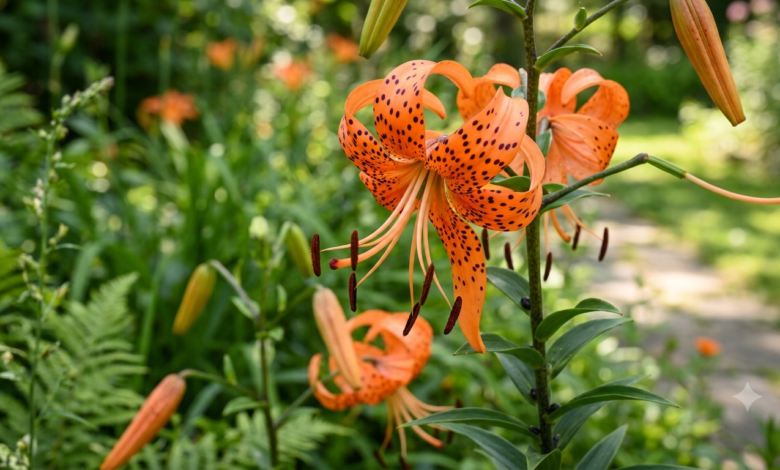
Tiger lily is a striking flowering plant known for its bright orange petals, dark spots, and elegant appearance. It is a popular choice for gardens, flower beds, and decorative landscapes because of its dramatic colors and relatively easy care requirements. The flower adds beauty to outdoor spaces and attracts attention when it blooms during the summer months.
Whether you are a beginner gardener or an experienced plant enthusiast, understanding the tiger lily can help you grow healthy plants and enjoy their beautiful flowers year after year. From its botanical characteristics and ideal growing conditions to its cultural symbolism and common problems, this guide covers the essential information about tiger lilies.
What Is a Tiger Lily?
The tiger lily (Lilium lancifolium), also widely known by the botanical synonym Lilium tigrinum, is a perennial flowering plant in the lily family, Liliaceae. It is recognized by its orange, downward-facing flowers decorated with dark brown or black spots. The petals curve backward, creating a distinctive shape that makes the flower easy to identify.
Tiger lilies are native to parts of East Asia, including China, Japan, and Korea. They have become popular ornamental plants in many other regions because of their colorful flowers and ability to grow in suitable garden conditions. The plant develops from a bulb and can return each growing season when its environmental needs are met.
A mature tiger lily can grow approximately three to five feet tall, although height varies according to growing conditions and variety. Its narrow green leaves grow along the stem, while several flowers may appear on a single mature stalk. Small dark bulbils often develop where the leaves meet the stem, providing another recognizable feature.
Tiger lilies are valued primarily for their ornamental appearance. However, gardeners should be aware that true lilies in the genus Lilium are highly toxic to cats, and even small exposures can cause life-threatening poisoning.
Physical Characteristics of Tiger Lily


6
The tiger lily has several distinctive features that separate it from many other garden flowers. Its vivid orange petals are usually covered with dark spots, giving the flower a tiger-like appearance. This pattern is the main reason for its common name.
The flowers generally have six petal-like segments, known botanically as tepals. These segments curve backward as the flower opens, exposing the central reproductive structures. The flowers usually face downward or outward, and a mature stem can carry multiple blooms at once.
The plant’s leaves are narrow, lance-shaped, and arranged along the stem. Small black or dark brown bulbils may form in the leaf axils. These bulbils are miniature structures capable of developing into new plants under suitable conditions.
Tiger lilies typically bloom in summer, often from July through August in temperate climates. The exact flowering period depends on the local climate, planting time, and growing conditions. After flowering, the plant continues to develop foliage that helps replenish the bulb for the following season.
Ideal Growing Conditions for Tiger Lily
Tiger lilies grow best when they receive adequate sunlight, consistent moisture, and well-drained soil. Although they are relatively adaptable, choosing the right location helps the plants produce stronger stems and more flowers.
Sunlight Requirements
Tiger lilies generally prefer full sun, although they can tolerate partial shade. A location receiving around six hours of direct sunlight daily is a useful starting point. In very hot climates, some afternoon shade can help protect the plant from excessive heat.
Good sunlight encourages healthy growth and abundant flowering. However, deep shade may cause weaker stems and fewer blooms. If you are growing tiger lilies in a garden, choose a spot where the upper part of the plant receives sunlight while the surrounding soil remains reasonably cool.
Soil and Temperature
Tiger lilies prefer moist, well-drained soil rich in organic matter. Slightly acidic soil is often suitable, but established plants can tolerate a range of soil conditions. Avoid areas where water collects after rain because excessive moisture can cause bulb rot.
These plants are perennial and can survive winter in suitable climates. Their performance depends on the local temperature, drainage, and variety. In warmer regions, planting them where the bulbs are protected from extreme soil heat can help maintain healthy growth.
How to Plant Tiger Lily Bulbs


8
Planting tiger lilies correctly gives the bulbs a strong foundation for future growth. In many temperate regions, early autumn is a suitable planting period, while spring planting is also possible when bulbs are available. In warmer climates, gardeners should adjust planting time according to local conditions.
Follow these steps to plant tiger lilies successfully:
- Choose a suitable location: Select a sunny or partially shaded spot with good drainage.
- Prepare the soil: Loosen the ground and mix in compost or other well-rotted organic matter if needed.
- Plant the bulbs: Place each bulb with its growing point facing upward. Follow the supplier’s instructions for planting depth, generally allowing enough soil above the bulb for stable growth.
- Provide spacing: Leave sufficient room between bulbs for mature plants to develop without excessive crowding.
- Water thoroughly: Water after planting to settle the soil around the bulbs, avoiding waterlogged conditions.
- Add mulch if needed: A light layer of organic mulch can help retain moisture and moderate soil temperature.
Lilies can also grow in suitable containers. Choose a pot with drainage holes and enough depth for the roots. Use a well-draining potting mix and place the container where the plant can receive adequate sunlight.
Watering and Fertilizing Tiger Lily
Tiger lilies need regular moisture during active growth, especially when the weather is dry. Water the soil when the upper layer begins to dry rather than following a rigid schedule. The goal is to keep the root zone reasonably moist without allowing the bulbs to sit in standing water.
Water near the base of the plant when possible. This helps direct moisture toward the roots and reduces unnecessary wetting of the foliage. Container-grown lilies may need more frequent watering than plants growing in garden beds because pots dry out faster.
Fertilizing requirements depend on soil quality. If the soil is reasonably fertile and enriched with organic matter, heavy feeding is usually unnecessary. A balanced, slow-release fertilizer can be applied according to its label during active growth if the soil needs additional nutrients.
Avoid applying excessive nitrogen, which can encourage leafy growth at the expense of flowers. After flowering, allow the leaves to remain on the plant until they naturally turn yellow or brown. The foliage continues supplying energy to the bulb for the next growing season.
How to Propagate Tiger Lily
One of the most interesting features of the tiger lily is its ability to produce small bulbils along its stem. These dark, round structures can be used to grow new plants, making propagation relatively straightforward.
When mature bulbils detach easily, collect them carefully and plant them in containers filled with moist, well-draining potting mix. Keep them protected from extreme temperatures and maintain gentle moisture while they establish roots. Young plants may need several growing seasons before producing flowers.
Tiger lilies can also be propagated by dividing established bulbs when appropriate. Handle the bulbs gently because damage can reduce their chances of successful growth. Replant them promptly at a suitable depth.
Propagation through bulbils is useful for gardeners who want to expand a flower bed without purchasing additional bulbs. However, tiger lilies can spread readily in favorable conditions. Remove unwanted bulbils before they fall if you want to keep the plant within a defined garden area. The North Carolina State Extension plant profile provides additional information about the species and its growth habits.
Common Tiger Lily Problems and Their Solutions
Tiger lilies are generally hardy plants, but they can still experience problems caused by pests, diseases, or unsuitable growing conditions. Regularly inspecting the stems, leaves, and soil helps gardeners identify issues before they become serious.
Common problems include:
- Yellowing leaves: This can result from natural seasonal changes, overwatering, poor drainage, or nutrient deficiencies. Check the soil before adding fertilizer.
- Aphids: These small insects feed on plant sap and may weaken new growth. Remove small infestations with a gentle stream of water or use an appropriate garden treatment according to its instructions.
- Gray mold: Excessive moisture and poor air circulation can encourage fungal diseases. Water at the soil level and provide enough spacing between plants.
- Bulb rot: Waterlogged soil is a major risk. Improve drainage and avoid watering when the soil is already saturated.
- Weak flowering: Insufficient sunlight, overcrowding, or damage to foliage may reduce flower production. Review the growing conditions and allow leaves to die back naturally.
Good garden hygiene, appropriate watering, and suitable spacing can prevent many common problems. If a plant develops persistent disease symptoms, identify the underlying cause before applying a treatment.
Tiger Lily Meaning and Symbolism

Tiger lilies are often associated with confidence, strength, courage, passion, and prosperity. Their bright orange color and dramatic markings make them a popular choice for expressing bold emotions and celebrating individuality.
In floral arrangements, tiger lilies can represent admiration, pride, or a strong personality. Their striking appearance also makes them suitable for summer bouquets, garden displays, and special occasions.
The symbolism of a flower can vary according to cultural traditions and personal interpretation. There is no single universal meaning for every tiger lily, so its significance often depends on the context in which it is given or displayed.
Uses and Benefits of Tiger Lily
The primary use of tiger lily is ornamental gardening. Its vivid flowers provide contrast in perennial borders, cottage gardens, and landscaped outdoor spaces. Tall stems make the plant useful toward the middle or back of a flower bed, where its blooms can stand above shorter plants.
Tiger lilies can also be used as cut flowers in decorative arrangements. Their unusual petal shape and spotted pattern create a bold visual effect when combined with other summer flowers. When cutting stems, leave enough foliage on the plant to support the bulb’s future growth.
Another advantage is their ability to return year after year under suitable conditions. Once established, they may require less attention than some annual flowers. Their bulbils also provide a convenient way to propagate additional plants.
However, tiger lilies should not be considered automatically safe for medicinal use or consumption. All parts of the tiger lily are highly toxic to cats, including the flowers, leaves, stems, pollen, and bulbs. Cat owners should avoid keeping these plants in homes or gardens accessible to their pets. If a cat may have contacted or eaten any part of a tiger lily, seek immediate veterinary assistance rather than waiting for symptoms.
Frequently Asked Questions About Tiger Lily
1. Is tiger lily easy to grow?
Yes. Tiger lilies are relatively easy to grow when planted in suitable soil with adequate sunlight and good drainage. Established plants can return each year in appropriate climates.
2. How tall do tiger lilies grow?
Tiger lilies commonly reach around three to five feet, although some plants may grow taller depending on their variety and growing conditions.
3. When do tiger lilies bloom?
They generally bloom during summer or late summer. The exact timing depends on the local climate, planting conditions, and the plant’s maturity.
4. Can tiger lilies grow in pots?
Yes. Use a sufficiently deep container with drainage holes and a well-draining potting mix. Provide adequate sunlight and monitor soil moisture carefully.
5. Do tiger lilies spread?
Yes. They produce bulbils along their stems, which can detach and grow into new plants. Remove unwanted bulbils to help control their spread.
6. Are tiger lilies poisonous to cats?
Yes. Tiger lilies are extremely dangerous to cats and can cause acute kidney failure. Keep them away from cats and contact a veterinarian immediately if exposure is suspected.
7. Do tiger lilies come back every year?
Yes. Tiger lilies are perennial plants that can return each growing season when their bulbs remain healthy and local conditions are suitable.
Conclusion
Tiger lily is a beautiful perennial flower recognized for its bright orange petals, dark spots, and distinctive curved shape. Its attractive appearance, relatively straightforward care requirements, and ability to produce new plants through bulbils make it a popular choice for ornamental gardens.
For successful growth, provide adequate sunlight, well-drained soil, regular but moderate watering, and enough space for mature plants. Protect the bulbs from excessive moisture, monitor for pests, and allow the foliage to die back naturally after flowering.
Although tiger lilies offer considerable ornamental value, their toxicity to cats is an important safety consideration. With appropriate growing conditions and responsible placement, gardeners can appreciate their dramatic summer blooms while keeping pets safe.