Shower in Tub: Design Ideas, Benefits, Installation, and Maintenance Guide
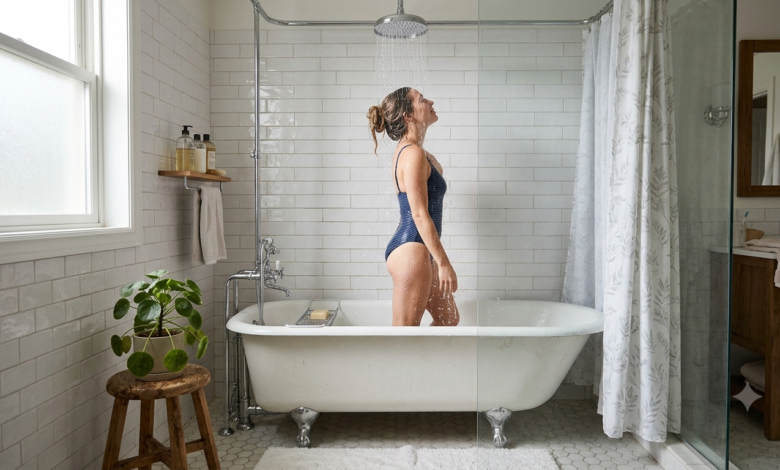
A shower in tub is a practical bathroom design that combines a bathtub and a shower in one space. It allows homeowners to enjoy the comfort of a relaxing bath while having the convenience of a quick shower. This combination is especially useful in small bathrooms where installing a separate bathtub and shower enclosure may not be possible. With the right fixtures, waterproofing, and design choices, a shower in tub can look modern, function efficiently, and suit different household needs.
Many homeowners choose this bathroom arrangement because it saves space, offers flexibility, and can be customized to match traditional or contemporary interiors. Whether you are renovating an existing bathroom or designing a new one, understanding the available options can help you make a better decision. From selecting the right bathtub and showerhead to choosing wall panels, glass doors, and slip-resistant flooring, several details contribute to the overall appearance and performance of this setup.
What Is a Shower in Tub?
A shower in tub is a bathroom arrangement in which a showerhead is installed above a bathtub, allowing people to shower while standing inside the tub. The bathtub collects water during bathing, while the shower system delivers water from above or through an adjustable handheld attachment. A shower curtain or glass enclosure typically helps prevent water from splashing onto the surrounding floor.
This design is common in family bathrooms, apartments, guest bathrooms, and homes with limited floor space. It eliminates the need for separate bathing areas and makes the bathroom more versatile. Some installations use a standard alcove bathtub, while others feature deeper soaking tubs or modern tubs with integrated shower fixtures.
The arrangement can be simple or luxurious, depending on the available budget and personal preferences. A basic setup may include a bathtub, showerhead, faucet, and curtain rod. A more advanced version might feature rainfall showerheads, thermostatic controls, recessed shelving, and frameless glass doors.
Benefits of Installing a Shower in Tub
One of the biggest advantages of a shower in tub is space efficiency. Combining two bathing functions in one location frees up valuable floor space that would otherwise be occupied by a separate shower enclosure. This makes it particularly suitable for compact homes, apartments, and bathrooms with narrow layouts.
Another benefit is flexibility. People who prefer quick showers can use the shower without filling the bathtub, while those who enjoy soaking can still use the tub whenever they want. Families may also appreciate having both options available in one bathroom. However, the bathtub’s height and accessibility should be considered if older adults or people with mobility limitations will use it.
A shower in tub can also offer good value during a renovation because it may allow homeowners to retain an existing bathtub and update the surrounding fixtures instead of rebuilding the entire bathing area. The actual cost savings depend on the condition of the plumbing, waterproofing, and existing bathroom structure.
Finally, this setup offers many design possibilities. Homeowners can select different tile patterns, wall finishes, shower fixtures, and enclosures to create a bathroom that feels bright, organized, and visually appealing.
Popular Shower in Tub Design Ideas
There are several ways to design a shower in tub, depending on the bathroom’s size, style, and budget. A classic design uses a white bathtub, neutral wall tiles, and a simple shower curtain. This combination is affordable, easy to coordinate with other fixtures, and suitable for many traditional bathrooms.
A modern design may include large-format tiles, matte black or brushed brass fixtures, and a clear glass shower screen. Glass helps maintain an open appearance because it allows light to travel across the bathroom. Sliding glass doors can be particularly useful where there is insufficient room for a hinged door to swing outward.
For a more luxurious appearance, homeowners can choose a rainfall showerhead, elegant stone-look tiles, built-in niches, and coordinated accessories. These details create a spa-inspired atmosphere without requiring a separate shower enclosure. In smaller bathrooms, light-colored finishes and simple patterns can help the space feel less crowded.
A practical design should always prioritize waterproofing, comfortable access to controls, adequate lighting, and safe footing. Decorative features are most effective when they support the everyday function of the bathroom.
Choosing the Right Bathtub
The bathtub is the foundation of a shower-in-tub arrangement, so selecting the appropriate model is important. An alcove bathtub is one of the most common choices because it fits between three walls. This layout makes it relatively straightforward to install a shower above the tub and waterproof the surrounding surfaces.
Standard bathtubs are available in different lengths, widths, and depths. Before purchasing one, measure the available space and check the location of existing plumbing. The tub should provide enough room for comfortable bathing while leaving sufficient space for the shower controls and enclosure.
Material is another important consideration. Acrylic tubs are generally lightweight and easy to maintain, while enameled steel options are often relatively affordable. Cast-iron tubs are durable but heavy, so the floor structure may need to be checked before installation.
The tub’s interior shape also affects comfort and safety. A model with a reasonably flat standing area can make showering easier, although the surface should still offer suitable slip resistance. If accessibility is a priority, consider the tub’s entry height and whether grab bars or other safety features can be installed securely.
Shower Fixtures and Water Controls
Choosing suitable shower fixtures can improve both comfort and water efficiency. A standard wall-mounted showerhead is a straightforward option that works well in most shower-in-tub designs. Adjustable showerheads allow users to change the spray pattern and angle according to their preferences.
A handheld showerhead can be especially useful for cleaning the bathtub, rinsing hair, bathing children, and assisting people who have difficulty standing for long periods. Some systems combine a fixed showerhead with a handheld attachment, providing additional flexibility without taking up much space.
Temperature controls deserve careful attention. A pressure-balancing valve helps reduce sudden temperature changes when water pressure fluctuates elsewhere in the home. Thermostatic controls can provide more precise temperature regulation. These features can improve comfort, but they should be installed correctly and maintained according to the manufacturer’s instructions.
Water efficiency is another consideration. A water-efficient showerhead can help reduce water consumption while providing a comfortable spray. Look for a product that meets the applicable local standards and offers a flow rate appropriate for your household.
Shower Curtains vs. Glass Doors


14
A shower curtain is often the simplest way to enclose a shower in tub. It is generally less expensive than glass doors, comes in many colors and patterns, and can be replaced easily when bathroom styles change. Curtains are also convenient when the bathtub needs to remain accessible along its full length.
However, curtains must be positioned properly to keep water inside the tub. They may cling to the body during showering and require regular cleaning to prevent soap residue and mildew. A washable curtain liner can make maintenance easier.
Glass doors offer a more permanent and polished appearance. Sliding doors are useful in compact bathrooms because they do not require additional clearance to open. Hinged doors may provide wider access but need enough surrounding space.
Glass requires regular cleaning to prevent water spots and soap buildup. Properly installed doors also depend on compatible hardware, suitable bathtub edges, and correct sealing. The best choice depends on your budget, cleaning preferences, bathroom layout, and accessibility requirements.
Waterproofing and Installation Requirements
Proper waterproofing is one of the most important parts of installing a shower in tub. Water regularly contacts the walls, bathtub edges, plumbing fixtures, and surrounding joints. If these areas are not protected correctly, moisture can enter wall cavities, damage building materials, and contribute to mold growth.
The walls around the bathtub should have an appropriate waterproofing system designed for wet areas. Depending on the chosen finish, this may involve a compatible waterproof membrane, properly installed backer materials, or approved prefabricated wall panels. Ordinary drywall should not be treated as a substitute for a suitable shower-wall system in areas exposed to direct water.
Tile installations require careful attention to the waterproofing layer beneath the tile. Grout and tile alone do not create a fully waterproof wall assembly. The joints around the bathtub and plumbing penetrations must also be sealed using suitable materials.
The shower valve, showerhead, drain, and tub spout should be installed according to manufacturer instructions and applicable plumbing codes. If the renovation involves moving pipes, replacing valves, or changing the bathtub, a qualified professional can help prevent leaks and installation problems.
Before using a newly installed shower, allow all sealants, adhesives, and waterproofing products to cure for the specified period.
Shower in Tub Ideas for Small Bathrooms
A shower in tub is especially effective in small bathrooms because it combines two functions without requiring separate bathing zones. The best results usually come from choosing fixtures and finishes that make the room feel open while preserving enough space for comfortable movement.
Light-colored walls, simple tile patterns, and a clear glass screen can reduce visual clutter. Large mirrors and good lighting can also make a compact bathroom appear brighter. Recessed wall niches provide storage for shampoo and soap without occupying the bathtub’s standing area.
Sliding glass doors are worth considering when the bathroom has limited clearance. If a curtain is more suitable for the budget, choosing a light-colored design can help maintain a clean appearance. Wall-mounted storage outside the wet area may also keep daily essentials organized.
Storage should never interfere with safe entry and exit from the tub. Avoid placing loose stools, baskets, or unnecessary objects where they could create tripping hazards. Good ventilation is equally important because smaller bathrooms can accumulate moisture quickly.
Cleaning and Maintenance Tips
Regular maintenance keeps a shower in tub looking attractive and helps prevent avoidable damage. After showering, rinse away soap residue from the tub and surrounding walls. Wiping wet surfaces with a squeegee or soft cloth can reduce mineral deposits and make routine cleaning easier.
Clean the bathtub using a product suitable for its material. Abrasive cleaners and rough scrubbing pads may damage certain acrylic finishes, while some stone surfaces require special cleaning products. Always check the manufacturer’s care instructions before applying a new chemical cleaner.
Inspect the caulk around the bathtub edges periodically. Cracked, loose, or discolored sealant may indicate that replacement is needed. Do not simply cover damaged sealant without first removing the failed material and preparing the joint correctly.
Check the showerhead and faucet for mineral buildup, particularly in areas with hard water. Clean or descale them according to the manufacturer’s recommendations. If you notice persistent leaks, loose fixtures, soft wall surfaces, or a musty smell, investigate the cause rather than relying on surface cleaning alone.
Use an exhaust fan or another effective ventilation method during and after showering. Good airflow helps remove excess humidity, reducing condensation and the conditions that allow mold to grow.
Shower in Tub Costs and Budget Planning
The cost of a shower in tub varies considerably depending on the existing bathroom, the materials selected, labor rates, and the extent of the renovation. Replacing a showerhead and curtain while keeping a sound bathtub may be relatively inexpensive. Installing a new tub, waterproofing the walls, replacing plumbing valves, and adding glass doors can cost substantially more.
The main expenses may include the bathtub, shower fixtures, wall tiles or panels, waterproofing materials, plumbing work, enclosure, labor, and waste removal. Hidden problems, such as water damage or outdated plumbing, may increase the final price.
To create a realistic budget, obtain several itemized quotes and compare what each contractor includes. Ask whether the price covers demolition, waterproofing, plumbing, installation, finishing, and cleanup. It is also sensible to reserve additional funds for unexpected repairs.
Prioritize structural safety, waterproofing, and reliable plumbing before spending money on premium finishes. An attractive shower in tub depends on proper installation as much as it does on the visible design.
Conclusion
A shower in tub is a versatile solution for homeowners who want the convenience of showering and the comfort of bathing in one space. It works particularly well in smaller bathrooms, family homes, and guest bathrooms where efficient use of floor space matters.
Choosing the right bathtub, shower fixtures, enclosure, and wall finishes can improve the bathroom’s appearance and everyday usability. At the same time, effective waterproofing, safe access, regular cleaning, and proper ventilation are essential for long-term performance.
Whether you prefer a simple curtain setup or a modern glass-enclosed design, careful planning can help you create a bathroom that balances comfort, functionality, and style. By considering your space, budget, and household needs before beginning the project, you can make informed decisions and build a shower-in-tub arrangement that serves you well for years.
Frequently Asked Questions (FAQs)
1. Is a shower in tub a good idea?
Yes. It combines a bathtub and shower in one area, making it practical for small bathrooms and households that want both bathing options without installing separate fixtures.
2. Can I add a shower to an existing bathtub?
In many cases, yes. The project may involve installing a showerhead, compatible mixing valve, shower riser, and suitable water protection. The existing plumbing and wall construction should be checked first.
3. Are shower curtains or glass doors better?
Curtains are generally more affordable and easier to replace. Glass doors provide a more permanent appearance and can contain splashes effectively when properly fitted. The right option depends on budget, space, maintenance, and accessibility.
4. How do I prevent mold around a shower in tub?
Use effective bathroom ventilation, wipe away excess moisture, clean surfaces regularly, and inspect the sealant for damage. Repair leaks promptly and investigate persistent dampness.
5. How can I make a shower in tub safer?
Use a slip-resistant bathing surface or suitable nonslip mat, install securely anchored grab bars where appropriate, and keep the entry area clear. Consider the tub’s height and accessibility needs before selecting a design.
6. Does a shower in tub increase home value?
It can appeal to buyers who want both a bathtub and shower, particularly families. However, the effect on resale value depends on the local housing market, bathroom condition, renovation quality, and the needs of potential buyers.