Korean Tattoo Artist: Popular Artists, Styles, and Tattoo Culture in 2026
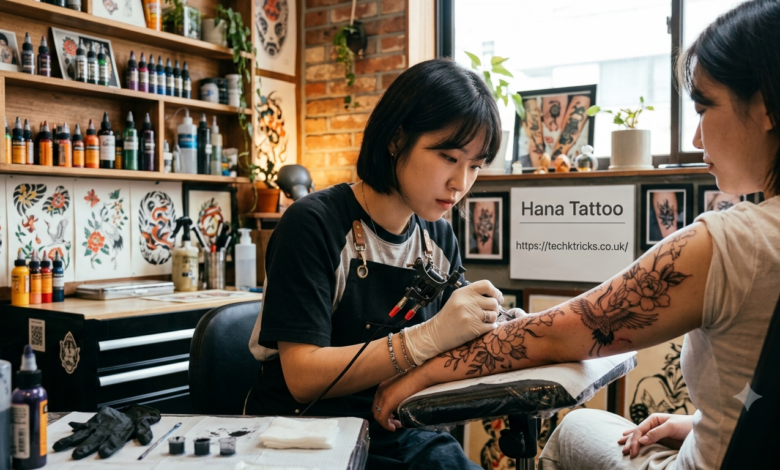
A Korean tattoo artist is known for combining delicate linework, artistic creativity, cultural symbolism, and modern tattoo techniques. Korean tattoo designs have gained international attention through social media, celebrity culture, and the growing popularity of minimalist body art. From tiny flowers and butterflies to traditional Korean tigers and colourful watercolour designs, these artists offer a wide range of creative styles for people who want meaningful and visually distinctive tattoos.
South Korea has developed a particularly influential tattoo scene despite decades of legal restrictions on nonmedical tattooing. In September 2025, the country’s National Assembly passed the Tattooist Act, creating a path toward professional licensing for tattoo artists. The law is scheduled to take effect after a two-year transition period.
This guide explores famous Korean tattoo artists, popular design styles, the cultural background of Korean tattoos, and practical advice for choosing an artist.
What Makes a Korean Tattoo Artist Unique?
Korean tattoo artists are recognised internationally for their attention to detail and ability to create elegant designs that complement the natural shape of the body. Many specialise in small, carefully composed tattoos rather than large, heavily outlined designs. Their work often uses fine lines, subtle shading, soft colours, and balanced spacing.
Another distinctive feature is the relationship between tattooing and illustration. Some Korean artists approach the skin like a painter approaches a canvas, combining floral patterns, delicate animals, miniature landscapes, and abstract forms. Others draw inspiration from traditional Korean artwork, historical symbols, and mythology.
Social media has played an important role in bringing these designs to international audiences. Instagram, in particular, allows artists to display portfolios, share healed tattoo photographs, and communicate with clients worldwide. As a result, people increasingly travel to Seoul to work with artists whose styles match their personal preferences.
Famous Korean Tattoo Artists to Know
Several Korean tattoo artists have attracted international attention for their distinctive approaches. The best artist for an individual depends on the desired design, preferred technique, budget, and availability.

Doy is one of the most widely recognised figures in Korea’s tattoo industry. His portfolio includes delicate colour work, abstract compositions, and designs that create a floating or painterly appearance on the skin. He has also been an important advocate for the professional recognition of tattoo artists in South Korea.

2. Hongdam
Hongdam is associated with fine-line tattoos and designs influenced by nature and traditional Korean imagery. His artistic approach appeals to people who prefer intricate details, elegant compositions, and subtle visual storytelling.

3. Pitta KKM
Pitta KKM is known for artwork inspired by traditional Korean visual culture. His work incorporates bold colours, symbolic imagery, and influences from Korean folk-art traditions, making it a useful reference for anyone seeking a culturally inspired tattoo.

4. Sion Kwak
Sion Kwak is recognised for designs drawing on traditional Korean decorative objects and motifs, including norigae-inspired imagery. This type of work can appeal to people who want a tattoo that connects contemporary body art with Korean heritage.
These artists represent different creative directions rather than a single definition of Korean tattooing. Before booking, review each artist’s current portfolio and confirm their availability through an official or verified account.
Popular Korean Tattoo Styles
Korean tattoo art includes several styles, each offering a different appearance and level of detail.
Fine-Line Tattoos


12
Fine-line tattoos use thin strokes to create detailed images with a light, understated appearance. Common designs include flowers, butterflies, stars, small animals, and simple geometric shapes.
These tattoos are popular among people who prefer discreet body art. However, very small details can blur or fade over time, so an experienced artist should adjust the design to suit the placement and size.
Watercolour Tattoos


13
Watercolour tattoos imitate the appearance of painted artwork. They often feature soft colour transitions, expressive brushstroke effects, and limited use of heavy outlines.
This style works particularly well for flowers, butterflies, birds, and abstract compositions. Clients should discuss how colours may change as the tattoo heals and ages, because colour retention varies with technique, skin, and sun exposure.
Traditional Korean Tattoos


12
Traditional Korean-inspired tattoos may feature tigers, magpies, lotus flowers, cranes, clouds, and other motifs associated with Korean visual culture.
For example, tiger and magpie imagery appears in Korean folk painting and can communicate ideas related to protection, humour, strength, or good fortune, depending on the design and context. Anyone interested in cultural symbolism should discuss the intended meaning with the artist rather than assuming every symbol has one fixed interpretation.
Minimalist and Micro Tattoos


10
Minimalist tattoos use a small number of lines and shapes to communicate an idea. A tiny moon, a simple flower, or a short word can hold personal meaning without requiring a large design.
Micro tattoos are especially popular on the wrist, ankle, forearm, and behind the ear. Nevertheless, the smallest possible design is not always the best choice. Giving the artwork enough space can help preserve its clarity over time.
Why Korean Tattoo Artists Are Popular Worldwide
The international popularity of Korean tattoo artists comes from a combination of artistry, accessibility through social media, and growing interest in Korean culture.
First, their designs often appeal to people who prefer understated body art. Delicate flowers, fine-line portraits, and small illustrations can feel personal without covering a large area of the body.
Second, the artists frequently demonstrate a strong illustration background. Their portfolios can include original drawings, carefully planned compositions, and distinctive uses of negative space. Clients who want something different from conventional tattoo designs may find this approach appealing.
Third, the global reach of Korean entertainment has increased interest in Korean fashion, beauty, music, and visual aesthetics. Tattoos worn by celebrities and performers have contributed to wider public discussion, although individual artists build their reputations through their own work and professional experience.
Finally, many artists use online portfolios to communicate with international clients. This makes it easier to compare different styles before deciding whether a particular artist is suitable for a project.
How to Choose the Right Korean Tattoo Artist
Choosing an artist requires more than finding an attractive photograph on social media. A tattoo is a long-term commitment, so research and communication are essential.
Consider these factors before booking:
- Portfolio quality: Look for healed tattoos as well as freshly completed work. Healed photographs can show how the lines and colours settle.
- Specialisation: Select an artist whose existing work matches your intended style, whether fine-line, watercolour, traditional, or minimalist.
- Hygiene practices: Ask about single-use needles, sterilisation procedures, clean working surfaces, and safe handling of ink.
- Communication: Make sure the artist understands your reference images, preferred placement, approximate size, and expectations.
- Pricing: Request a clear estimate and ask whether the price includes consultation, design work, and any planned follow-up.
- Legal compliance: Confirm that the artist and studio meet the applicable licensing and regulatory requirements where the appointment takes place.
Avoid choosing an artist solely because of a large social media following. Technical consistency, hygiene, honest communication, and relevant experience are more useful indicators of suitability.
How Much Does a Korean Tattoo Cost?
The cost of a tattoo from a Korean tattoo artist depends on the artist’s reputation, design complexity, size, colour, placement, and appointment length.
A tiny black-ink symbol generally requires less work than a detailed floral composition or a large traditional Korean design. Highly sought-after artists may also charge premium rates or have longer waiting lists.
There is no single price that applies to every Korean tattoo studio. International clients should request a quotation directly rather than relying on outdated price lists or social media comments.
Before paying a deposit, confirm the total expected cost, cancellation policy, payment method, and whether additional sessions may be required. Travellers should also consider accommodation and transport if the appointment takes place in Seoul.
Korean Tattoo Culture and Legal Changes
South Korea’s tattoo industry has a distinctive history. A 1992 Supreme Court ruling established a legal framework under which tattooing was treated as a medical procedure, restricting nonmedical practitioners. Despite these restrictions, tattoo artists continued to work and developed a substantial creative community.
On September 25, 2025, the National Assembly passed the Tattooist Act, establishing a framework for licensed nonmedical tattooists. The law provides for professional licensing and mandatory hygiene and safety training. Its planned implementation follows a two-year transition period, with the framework expected to take effect in 2027.
The legal position subsequently changed further. In May 2026, South Korea’s Supreme Court overturned the earlier precedent that had treated ordinary tattooing by nonmedical practitioners as unlicensed medical practice. The separate licensing framework under the Tattooist Act is still scheduled for implementation in October 2027.
These developments represent significant progress toward formal recognition of tattooing as an artistic profession. However, artists and clients should check current regulations, licensing requirements, and public-health guidance before arranging an appointment.
Tattoo Aftercare: Keeping Your Design Looking Good
Aftercare is an important part of getting a tattoo, particularly when the design uses fine lines or delicate colours.
Follow the instructions provided by your tattoo professional. In general, this means keeping the tattoo clean, avoiding unnecessary touching, and using only suitable aftercare products as directed.
Do not scratch or peel the skin while it heals. Avoid swimming, soaking the tattoo, and exposing it to excessive sunlight during the healing period. Once the skin has healed, sun protection can help reduce premature fading.
Healing time varies according to the tattoo’s size, placement, and individual skin characteristics. Seek medical advice if you experience worsening redness, spreading warmth, increasing pain, pus, or fever, as these may indicate an infection.
Frequently Asked Questions
1. Who is the most famous Korean tattoo artist?
Doy, professionally known as Tattooist Doy, is one of South Korea’s best-known tattoo artists. His watercolour-inspired work and advocacy for the tattoo profession have attracted international attention.
2. What is the Korean tattoo style called?
There is no single official name for Korean tattoo style. The term can refer to fine-line, minimalist, watercolour, sentimental, or traditional Korean-inspired tattoos.
3. Why are Korean tattoos often small and delicate?
Many Korean artists specialise in understated designs featuring thin lines, subtle shading, and carefully arranged details. However, Korean tattooing also includes bold, colourful, and large-scale artwork.
4. Can foreigners book a Korean tattoo artist in Seoul?
Many artists accept international clients, although booking procedures and availability vary. Contact the artist through a verified channel, confirm the appointment details, and check the applicable legal requirements before travelling.
5. Are tattoo artists legal in South Korea in 2026?
The legal position changed significantly in 2025 and again in 2026. The Supreme Court overturned the previous precedent against nonmedical tattooing in May 2026, while the Tattooist Act’s licensing framework is scheduled to take effect in October 2027.
6. How do I find a good Korean tattoo artist?
Review portfolios, compare healed results, check hygiene practices, confirm professional credentials where applicable, and discuss your design before paying a deposit.
Conclusion
A Korean tattoo artist can offer much more than a fashionable design. From delicate fine-line flowers and colourful watercolour compositions to traditional Korean imagery, the country’s tattoo scene combines personal expression with a distinctive artistic sensibility.
The best choice depends on your preferred style, budget, design requirements, and the artist’s experience. Research portfolios carefully, prioritise hygiene, and verify current legal requirements before booking. With thoughtful planning, a Korean-inspired tattoo can become a meaningful piece of personal artwork that remains special for years to come.