Juliet Stevenson: Biography, Career, Personal Life, and Achievements
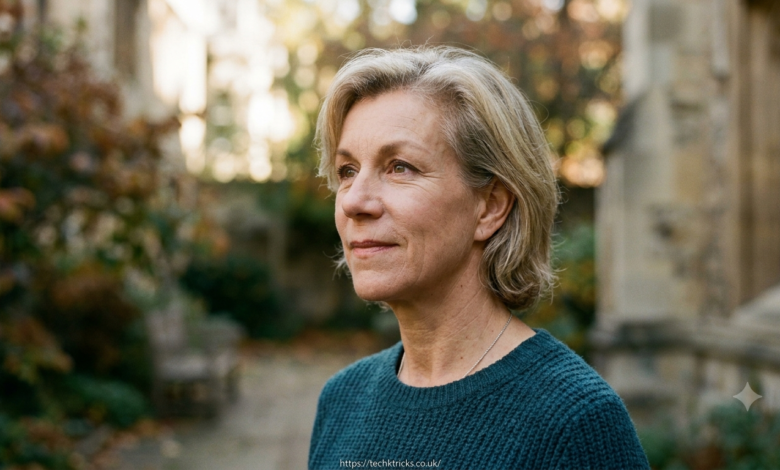
Juliet Stevenson is a highly respected British actress known for her remarkable performances on stage, in television dramas, and in films. With a career spanning several decades, she has established herself as one of Britain’s most versatile performers. Her ability to portray complex emotions, intelligent characters, and deeply human experiences has earned her recognition from audiences and critics alike.
Juliet Stevenson is particularly admired for her work in theatre and her performances in acclaimed films such as Truly, Madly, Deeply and Bend It Like Beckham. She has also appeared in numerous television productions, demonstrating her ability to move comfortably between different genres and styles of storytelling. Beyond acting, Stevenson is known for her thoughtful approach to challenging roles and her long-standing contribution to British performing arts.
Her career reflects a combination of artistic discipline, emotional depth, and dedication to meaningful storytelling. This article explores Juliet Stevenson‘s biography, early life, education, acting career, notable performances, family life, achievements, and lasting influence on the entertainment industry.
Early Life and Education
Juliet Anne Virginia Stevenson was born on 30 October 1956 in Kelvedon, Essex, England. She grew up in Britain in a family environment that supported her education and personal development. Although she eventually became a prominent actress, her early years were not defined solely by an ambition to become a celebrity. Her interest in literature, performance, and the arts developed alongside her academic experiences.
Stevenson attended the independent girls’ school Hurst Lodge in Ascot before continuing her education at the Royal Academy of Dramatic Art (RADA) in London. RADA is one of the United Kingdom’s best-known drama schools and has trained many influential actors. Her professional training helped her develop the voice control, emotional understanding, stage presence, and technical skills required for demanding theatrical performances.
Her education provided a strong foundation for a career that would eventually encompass classical theatre, contemporary drama, film, and television. Rather than relying on fame or a single successful role, Stevenson built her reputation through consistent performances and a willingness to take on challenging material.
Acting Career and Rise to Fame
Juliet Stevenson’s professional acting career began in the late 1970s, when she joined the Royal Shakespeare Company (RSC). This experience became an important stage in her development as an actress. Working with experienced directors and performers, she gained opportunities to explore classical plays, complicated characters, and emotionally demanding stories.
Her work with the RSC helped establish her reputation as a serious stage performer. Stevenson became known for her interpretations of Shakespearean characters and her ability to communicate complicated emotions without relying on exaggerated gestures. Her theatre performances demonstrated a combination of intellectual understanding, emotional sensitivity, and technical precision.
She later worked with the National Theatre and other respected British theatre companies. Her stage credits include Measure for Measure, Troilus and Cressida, Hedda Gabler, and Yerma. These productions strengthened her position within British theatre and earned her critical recognition. Her career demonstrates that theatre remained an essential part of her artistic identity, even as she became increasingly familiar to film and television audiences.
According to her biography published by Shakespeare’s Globe, Stevenson has performed in numerous major theatrical productions and received nominations for prestigious Olivier and BAFTA awards.

+1
Juliet Stevenson’s Breakthrough Film: Truly, Madly, Deeply

One of the most important milestones in Juliet Stevenson’s career was her leading role in Truly, Madly, Deeply, directed by Anthony Minghella. Released in 1990 in the United Kingdom, the romantic fantasy drama features Stevenson as Nina, a woman struggling with grief after the death of her partner, Jamie, played by Alan Rickman.
The film explores love, loss, memory, and the difficulty of moving forward after losing someone important. Rather than presenting grief as a simple emotional experience, the story examines how memories and idealized images of loved ones can affect the living. Stevenson’s performance gives the character vulnerability and emotional complexity, making Nina’s experiences understandable to audiences.
Her work in the film earned considerable critical attention and helped introduce her talent to a wider audience beyond theatre. She received a BAFTA nomination for Best Actress in a Leading Role, alongside other recognition for her performance. The film remains one of the defining works of her screen career.
Decades later, Truly, Madly, Deeply continues to be associated with Stevenson’s ability to portray grief with honesty and restraint. In interviews, she has reflected on the film’s lasting emotional impact and the way audiences connect with its depiction of bereavement.
Other Notable Films and Television Roles
Although Truly, Madly, Deeply remains one of her best-known films, Juliet Stevenson has appeared in a wide variety of other productions. Her filmography reflects an interest in character-driven stories rather than a narrow focus on one genre.
Some of her notable screen appearances include:
- Emma (1996): A film adaptation of Jane Austen’s novel, featuring an ensemble cast in a story about relationships and social expectations.
- Bend It Like Beckham (2002): The popular British comedy-drama about a young woman pursuing football despite cultural and family pressures.
- Mona Lisa Smile (2003): A drama set in a women’s college during the 1950s, exploring education, independence, and social expectations.
- Being Julia (2004): A period drama centered on a celebrated stage actress navigating personal and professional challenges.
- Infamous (2006): A biographical drama about writer Truman Capote and his work surrounding a notorious murder case.
- Wolf (2023): A psychological drama examining identity and human behaviour.
- Reawakening (2024): A drama in which Stevenson plays a mother confronting the return of a daughter who disappeared years earlier.
These projects show her willingness to move between historical dramas, contemporary stories, comedies, and psychologically challenging material.
Stevenson has also worked extensively in television and radio. Her television credits include The Politician’s Wife, a drama that attracted attention for its portrayal of political scandal and the personal consequences of infidelity. Her television work has allowed her to explore characters in greater detail, while radio and narration have highlighted the strength and expressiveness of her voice.
Her career across different media illustrates a central quality of her work: she adapts to the needs of a production while retaining a distinctive acting style.
Awards and Major Achievements
Juliet Stevenson has earned considerable recognition for her contributions to British theatre, film, and television. Her achievements reflect years of consistent work rather than success tied to a single production.
One of her most significant honours was winning the Laurence Olivier Award for Best Actress in 1992 for her performance in Death and the Maiden. The play explores the psychological consequences of political violence and torture, requiring its performers to navigate difficult emotional and moral questions.
Her portrayal of Paulina Salas demonstrated her ability to bring intensity and complexity to challenging dramatic material. She has also received multiple BAFTA and Olivier Award nominations throughout her career, reinforcing her reputation as an accomplished performer.
In 1999, Stevenson was appointed a Commander of the Order of the British Empire (CBE) for her services to drama. She later received an honorary Doctor of Arts degree from Anglia Ruskin University in 2010. These honours acknowledge her wider contribution to the performing arts and her standing within British cultural life.
Personal Life, Husband, and Children

Juliet Stevenson’s personal life has generally remained more private than her professional career. She has been in a long-term relationship with Hugh Brody, a British-Canadian anthropologist, filmmaker, and writer whose work explores Indigenous communities, culture, and society.
The couple met in the early 1990s and built a family together. They have two children, Rosalind and Gabriel. Stevenson has spoken in interviews about the challenges of balancing professional commitments with family responsibilities, particularly during periods when theatre rehearsals and performances demanded significant time.
After almost three decades together, Stevenson and Brody married in December 2021 in a small registry office ceremony in Suffolk. Their marriage was publicly reported in February 2022. Stevenson had previously expressed reservations about traditional marriage, making their decision a notable development in their relationship.
Her family life has also included difficult experiences, including the death of her stepson, Tomo Brody, in 2020. Stevenson has discussed grief and loss in connection with both her personal experiences and her acting work. These experiences have informed her reflections on human vulnerability and the emotional responsibilities involved in portraying suffering on screen.
Juliet Stevenson’s Activism and Public Views
Stevenson is known not only for her acting but also for speaking publicly about social and political issues. She has expressed strong views on human rights, equality, and the responsibilities of people working in the arts.
She and her husband, Hugh Brody, have been vocal advocates for Palestinian rights. Their public activism has included supporting solidarity events and humanitarian causes connected to the conflict in Gaza. Stevenson has argued that artists should be able to speak about injustice and that public discussion of political issues should not automatically be considered incompatible with a performing career.
Her willingness to discuss controversial subjects reflects a broader belief that creative work can contribute to public conversations. Although audiences may disagree with individual political positions, her activism forms a visible part of her public identity beyond acting.
Stevenson has also spoken about the need for greater opportunities for women in the film industry and the limitations placed on older female performers. Her career choices and public comments suggest a continuing interest in stories that challenge assumptions about gender, power, identity, and society.
Juliet Stevenson Net Worth and Income
Juliet Stevenson’s exact net worth has not been reliably established through a verified public financial disclosure. Various websites may publish estimates, but these figures should not be treated as confirmed facts.
Her professional income has come from several areas, including film acting, television productions, theatre performances, voice work, and narration. A career lasting several decades across these different formats would provide multiple potential sources of earnings, although individual contracts and financial arrangements are generally private.
In interviews, Stevenson has also discussed the unpredictable financial nature of acting. Theatre work can pay considerably less than certain film, television, or voiceover assignments, even for experienced performers. This illustrates why public reputation alone cannot determine an actor’s actual wealth.
For readers researching Juliet Stevenson net worth, the most accurate conclusion is that her earnings and total assets have not been publicly verified. It is better to acknowledge that uncertainty than to present an unsupported number as fact.
Why Juliet Stevenson Remains an Influential Actress
Juliet Stevenson’s importance lies in the range and depth of her performances. She has demonstrated that an actor can build a lasting career by combining classical training with a willingness to explore contemporary subjects.
Her theatre work reflects a deep understanding of language and dramatic structure, while her films demonstrate a sensitivity to intimate emotional experiences. Whether playing a grieving partner, a character confronting injustice, or a woman navigating complicated relationships, Stevenson brings attention to the internal lives of the people she portrays.
She has also continued working across different stages of her life, challenging the idea that actresses must follow a predictable career path. Her performances and public statements have contributed to discussions about representation, ageing, artistic freedom, and the place of women in entertainment.
Her continued interest in challenging roles, including more recent screen projects, demonstrates an ongoing commitment to acting as a craft. For aspiring performers, her career offers an example of how technical preparation, versatility, and thoughtful character development can support long-term success.
Frequently Asked Questions About Juliet Stevenson
1. Who is Juliet Stevenson?
Juliet Stevenson is an English actress known for her work in theatre, film, television, and narration. She is particularly recognised for Truly, Madly, Deeply and her award-winning stage performances.
2. How old is Juliet Stevenson?
Juliet Stevenson was born on 30 October 1956. As of 18 October 2026, she is 69 years old and will turn 70 on 30 October 2026.
3. Who is Juliet Stevenson’s husband?
Her husband is Hugh Brody, an anthropologist, filmmaker, and writer. They married in December 2021 after being together for nearly three decades.
4. Does Juliet Stevenson have children?
Yes. She has two children, Rosalind and Gabriel, with Hugh Brody.
5. What is Juliet Stevenson’s most famous film?
One of her most famous films is Truly, Madly, Deeply, in which she stars opposite Alan Rickman. The film is particularly remembered for its sensitive exploration of love and grief.
6. Has Juliet Stevenson won any major awards?
Yes. She won the 1992 Laurence Olivier Award for Best Actress for Death and the Maiden. She was also appointed a CBE in 1999 for services to drama.
7. What is Juliet Stevenson’s net worth?
Her exact net worth is not publicly verified. Any specific online estimate should be treated cautiously unless supported by reliable financial evidence.
Conclusion
Juliet Stevenson has built an impressive career through dedication to theatre, film, and television. From her early training at the Royal Academy of Dramatic Art to her acclaimed performance in Truly, Madly, Deeply, she has consistently demonstrated emotional depth, versatility, and a commitment to challenging roles.
Her achievements include a Laurence Olivier Award, multiple prestigious award nominations, and a CBE for services to drama. Beyond her professional accomplishments, her family life and public advocacy reveal an individual interested in human relationships, social justice, and the role of artists in society.
For anyone researching Juliet Stevenson, her story is more than a list of films and awards. It is the story of a performer who has maintained a distinctive artistic identity across decades, earning respect through her craft and her willingness to engage with difficult subjects.