Pool Coping: Types, Materials, Benefits, Installation, and Maintenance
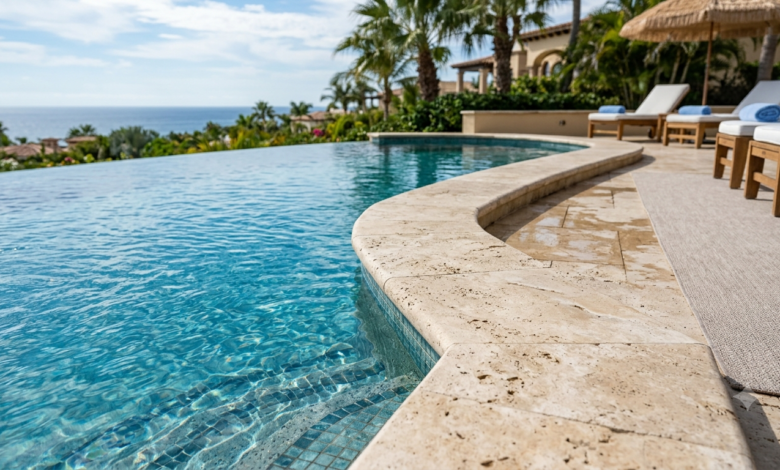
Pool coping is an essential part of swimming pool construction that improves both the appearance and functionality of a pool. It refers to the protective edging installed around the top perimeter of a swimming pool, creating a finished transition between the pool structure and the surrounding deck. Although pool coping is often selected for its decorative appearance, it also plays an important role in protecting the pool shell, managing water runoff, and providing a comfortable edge for swimmers. Homeowners, contractors, and landscape designers can choose from various coping materials, including natural stone, concrete, brick, pavers, and porcelain. The best option depends on the pool design, climate, budget, maintenance requirements, and personal preferences. Understanding pool coping helps property owners make informed decisions when building a new swimming pool or renovating an existing one.
What Is Pool Coping?
Pool coping is the material installed along the upper edge of a swimming pool, covering and finishing the exposed perimeter. It creates a defined border between the pool’s interior and the surrounding patio or deck. Depending on the design, coping can have a rounded, bullnose, square, cantilevered, or natural-edge profile. Each style creates a different appearance and offers specific practical benefits.
In addition to providing a finished look, pool coping helps direct water away from the pool structure when properly designed and installed. It can cover exposed structural edges, protect vulnerable areas from everyday wear, and provide a more comfortable surface for people entering or leaving the water. Pool coping is commonly used with concrete, fiberglass, and vinyl-lined pools, although the installation method varies according to the pool’s construction. Choosing suitable coping requires attention to drainage, slip resistance, expansion, and compatibility with the pool shell.
Why Is Pool Coping Important?
Pool coping contributes to the safety, durability, and overall appearance of a swimming pool. Without an appropriate edge treatment, the upper perimeter may remain unfinished or become more vulnerable to water penetration, surface damage, and deterioration. Proper coping creates a protective transition between the pool and its surrounding environment.
Another important benefit is improved usability. Rounded or carefully finished edges can make contact more comfortable for swimmers, while textured surfaces may provide better traction in wet conditions. Coping also helps visually separate the pool from the deck, allowing designers to coordinate colors, textures, and materials throughout the outdoor space.
However, coping does not replace waterproofing, structural reinforcement, or proper drainage. Its performance depends on the quality of the underlying structure, suitable installation materials, and regular maintenance. Poorly installed coping can develop cracks, loose sections, or water-related damage, making professional installation an important consideration.
Types of Pool Coping
Several pool coping styles are available, and each suits different architectural designs and practical requirements.
1. Bullnose Pool Coping
Bullnose coping features a rounded outer edge that creates a smooth transition between the pool and deck. It is a popular choice for traditional swimming pools because it provides a classic, finished appearance. The rounded profile can also feel more comfortable when swimmers hold the edge.
Bullnose coping is available in concrete, natural stone, precast materials, and other suitable products. When selecting this style, homeowners should consider the texture and slip resistance of the upper surface rather than assuming that a rounded edge automatically makes the surrounding area safer.
2. Cantilevered Pool Coping
Cantilevered coping extends the concrete pool deck slightly over the pool’s edge, creating a clean and continuous appearance. It is frequently used in modern pool designs where a minimal transition between the deck and water is preferred.
This style can be visually attractive, but it requires careful construction and appropriate joint placement. Movement between the pool structure and surrounding deck must be managed to reduce cracking and separation. The design should also account for drainage and the particular requirements of the pool shell.
3. Paver Pool Coping
Paver coping uses individual concrete, stone, or porcelain units to create a defined border around the pool. It is available in numerous colors, patterns, sizes, and finishes, making it suitable for traditional and contemporary outdoor spaces.
One advantage of pavers is that individual pieces may be easier to replace than a continuous slab if damage occurs. However, the base, joints, and edge restraints must be installed correctly to prevent movement and uneven surfaces.
4. Natural Stone Pool Coping
Natural stone coping may be made from travertine, limestone, granite, sandstone, or other appropriate stones. It is valued for its distinctive appearance, natural color variations, and ability to complement landscaped gardens and luxury outdoor spaces.
Different stones have different levels of porosity, durability, heat retention, and resistance to pool chemicals. A stone suitable for one climate may perform poorly in another. Therefore, homeowners should select stone specifically rated for outdoor pool use and consider sealing requirements, surface texture, and resistance to weathering.
5. Brick Pool Coping
Brick coping provides a traditional appearance and can coordinate with brick patios, garden walls, and classic home designs. Its color and texture offer a warm, established look that suits many outdoor settings.
The main considerations include the quality of the brick, the condition of the mortar or joints, and resistance to moisture and weather changes. Brick surfaces should be suitable for repeated exposure to water and pool chemicals. Damaged joints should be repaired promptly to reduce the risk of movement and water penetration.
Best Materials for Pool Coping
The best pool coping material depends on the homeowner’s priorities, including appearance, durability, cost, and maintenance.
| Material | Main Benefits | Important Considerations |
|---|---|---|
| Natural stone | Premium appearance and natural texture | Cost, sealing, and stone-specific durability |
| Concrete | Versatile shapes and designs | Cracking, surface wear, and finishing quality |
| Brick | Traditional style and warm colors | Joint maintenance and moisture resistance |
| Porcelain | Wide design selection and low porosity | Correct outdoor-rated product and installation |
| Concrete pavers | Flexible patterns and replaceable units | Base stability and joint maintenance |
| Travertine | Natural appearance and popular outdoor finish | Porosity, sealing, and product quality |
Concrete is often selected for its design flexibility, while natural stone is popular for its distinctive appearance. Porcelain can provide a modern finish with relatively low water absorption when the correct product is chosen. There is no universally best material because performance depends on the specific product, climate, installation quality, and maintenance routine.
How to Choose the Right Pool Coping
Choosing suitable pool coping involves more than selecting a color that matches the patio. Homeowners should evaluate several practical factors before making a purchase.
Climate: Outdoor surfaces must withstand local weather conditions. In areas with freezing temperatures, materials and installation systems should resist freeze-thaw damage. In hot climates, surface temperature and resistance to strong sunlight become important considerations.
Slip resistance: Pool surroundings frequently become wet. Select coping with an appropriate textured finish and suitable slip resistance for swimming pool environments. Smooth, polished surfaces may become slippery when wet.
Heat retention: Some materials become uncomfortably hot under direct sunlight. Light-colored stone, suitable concrete finishes, and appropriately tested outdoor products may offer more comfortable alternatives, although actual surface temperatures depend on the material and conditions.
Maintenance: Consider how frequently the material requires cleaning, sealing, or joint repairs. Porcelain generally has low porosity, while some natural stones require additional care.
Budget: Compare the full project cost rather than the price of the coping material alone. Cutting, edge profiles, surface preparation, drainage, adhesives, and labor can significantly affect the final expense.
Design compatibility: The coping should complement the pool shape, deck material, landscaping, and architectural style of the property.
Pool Coping Installation Process
Proper pool coping installation is essential for long-term performance. Although the precise method varies by material and pool construction, most projects follow several general stages.
First, the contractor inspects the pool shell and surrounding structure. The upper edge must be stable, correctly prepared, and suitable for the selected coping system. Any structural defects or drainage problems should be addressed before installation begins.
Next, the installer measures the perimeter and plans the layout. Accurate measurements help determine the number of pieces required and reduce unnecessary cutting. Curved pools may require specially shaped pieces or careful cutting to achieve a consistent finish.
The coping is then installed using the appropriate mortar, adhesive, concrete system, or mechanical support, depending on the material and pool design. Joints and movement provisions must follow the manufacturer’s specifications and applicable construction requirements. These details help accommodate movement and reduce the risk of cracking or separation.
After installation, the contractor checks alignment, edge consistency, surface stability, and drainage. Any required sealing or finishing is completed according to the product instructions. The installation should be allowed to cure for the specified period before the area is exposed to normal use.
For complex pools, elevated edges, or major renovations, using an experienced pool contractor can help prevent costly installation problems.
Common Pool Coping Problems
Pool coping may develop several problems over time, particularly when installation quality, drainage, or maintenance is inadequate.
Cracked coping: Cracks can result from structural movement, temperature changes, impact, or an unsuitable installation system. Minor surface damage may be repairable, but recurring or widespread cracks require professional assessment.
Loose coping stones: Pieces may become loose when bonding materials deteriorate, the supporting structure moves, or water enters vulnerable joints. Loose coping should be addressed promptly because it can create trip hazards and allow further deterioration.
Water penetration: Poorly sealed joints or defective drainage may allow water to reach areas where it can damage the surrounding structure. Appropriate waterproofing and drainage details are important for prevention.
Discolored surfaces: Pool chemicals, minerals, dirt, and environmental exposure can affect the appearance of coping. Cleaning with a compatible product and following manufacturer recommendations can help maintain its finish.
Uneven edges: Movement or settling may cause coping units to shift, creating uneven surfaces. Repairs should address the underlying cause rather than simply repositioning the visible pieces.
Pool Coping Maintenance Tips
Regular maintenance helps preserve the appearance and performance of pool coping. Sweep away leaves, dust, and debris before they accumulate, and clean surfaces using products approved for the particular material. Avoid harsh acids, abrasive tools, or strong chemicals unless the manufacturer confirms they are safe.
Inspect the coping periodically for cracks, loose pieces, deteriorating joints, and signs of water accumulation. Pay special attention to areas where the pool meets the deck, because these transitions may require movement joints or other protective details.
Natural stone may require periodic sealing, depending on the stone type and manufacturer’s recommendations. Concrete and brick coping may need joint repairs or surface treatment as they age. Porcelain coping generally requires less sealing, but its joints and supporting installation still need inspection.
Keep drainage channels and surrounding drains clear so water does not collect around the pool perimeter. If you notice significant movement, persistent leakage, or widespread cracking, consult a qualified pool professional before attempting repairs.
Pool Coping Cost Factors
The cost of pool coping varies according to material, pool size, installation complexity, labor rates, and the condition of the existing structure. Basic concrete options may cost less than premium natural stone or specialized porcelain products, but material prices vary significantly by location and supplier.
The shape of the pool also affects the total expense. Straight edges are generally easier to install than complex curves, while custom profiles and intricate patterns may require additional labor. Removing old coping, repairing the pool bond beam, improving drainage, and replacing damaged decking can further increase project costs.
When requesting estimates, ask contractors to separate material costs, installation labor, demolition, repairs, finishing, and any applicable taxes. Confirm whether the quotation includes joint materials, sealing, disposal, and cleanup. Comparing detailed estimates helps homeowners understand the actual value of each proposal rather than choosing solely on the lowest initial price.
Frequently Asked Questions About Pool Coping
What is the main purpose of pool coping?
Pool coping finishes the upper edge of a swimming pool, protects exposed edges, creates a transition to the deck, and contributes to safe and attractive pool surroundings.
Which material is best for pool coping?
Natural stone, concrete, porcelain, brick, and pavers can all be suitable. The best choice depends on climate, budget, slip resistance, maintenance requirements, and the pool’s construction.
Can pool coping be replaced without rebuilding the pool?
Yes. Pool coping can often be replaced without rebuilding the entire pool, provided the underlying structure is sound. The contractor should inspect the pool edge and surrounding deck before beginning the work.
How long does pool coping last?
Its lifespan depends on the material, installation quality, climate, maintenance, and exposure to water and chemicals. Well-installed coping can last for many years, but regular inspection is important.
Does pool coping need to be sealed?
Not always. Some natural stones and concrete products may benefit from sealing, while porcelain generally does not require the same treatment. Always follow the manufacturer’s instructions for the specific material.
Is pool coping necessary?
Pool coping is a standard and important feature in many swimming pool designs. The exact edge treatment depends on the pool construction, but the perimeter must be properly finished and protected using a suitable system.
Conclusion
Pool coping is an important component of swimming pool design because it combines practical protection with visual appeal. The right coping material can improve the finished appearance of a pool, create a comfortable edge, support effective drainage, and help protect the surrounding structure from everyday wear. Natural stone, concrete, brick, porcelain, and pavers each offer different advantages, so the ideal choice depends on the project’s climate, budget, design, and maintenance requirements. Proper installation is equally important, particularly when it comes to joint placement, drainage, and compatibility with the pool shell. By selecting suitable materials, hiring a qualified installer, and following a regular maintenance routine, homeowners can keep their pool coping attractive, functional, and durable for years to come.